


Tacoma Bicycle Accident Lawyer for Injured Cyclists
Connect with our knowledgeable Tacoma bicycle accident attorneys to protect your rights after a bicycle accident

A Tacoma bicycle accident lawyer helps injured cyclists seek compensation after a crash caused by a negligent driver, unsafe road condition, dooring incident, commercial vehicle, or another preventable hazard.
Bicycle accident claims are different from regular car accident claims. Cyclists have less protection, the injuries can be serious, and insurance companies may try to blame the rider even when a driver failed to yield, passed too closely, opened a door, turned across a bike lane, or ignored a cyclist’s right to share the road.
If you were hit while riding near downtown Tacoma, Dock Street, Schuster Parkway, Pacific Avenue, South Tacoma Way, a bike lane, a crosswalk, a neighborhood street, or anywhere in Pierce County, Strong Law can help build your claim around the facts.
Free bicycle accident consultation: Talk with a Tacoma bicycle accident attorney today. You pay no fee unless we recover compensation for you.
The Hardest Part of a Bicycle Claim Is Proving What the Driver Did
Bicycle crashes often happen quickly. A driver may say the cyclist “came out of nowhere,” was hard to see, rode too close to traffic, ignored a signal, or should have avoided the crash. Insurance companies may use those claims to shift blame onto the injured cyclist.
That is why the evidence matters.
A bicycle accident claim should look at the driver’s actions, the cyclist’s position, the bike lane or roadway layout, traffic signals, lighting, weather, vehicle damage, bicycle damage, helmet damage, witness statements, and any available camera footage.
The goal is simple: show what actually happened before the insurance company turns the crash into a blame game.
Key Questions After a Tacoma Bicycle Crash
Was the cyclist in a bike lane or legal riding area?
A bike lane, shoulder, crosswalk, shared lane, or roadway position can all affect the claim. The evidence should show where the cyclist was and whether the driver failed to yield, pass safely, or keep a proper lookout.
Did the driver turn, pass, or open a door into the cyclist?
Many bicycle crashes involve unsafe passing, left turns, right hooks, dooring, or drivers entering a cyclist’s path without checking.
Was the cyclist unfairly blamed?
Insurance companies may say the cyclist was hard to see, riding too fast, not using lights, or not following traffic rules. Those claims should be tested against the evidence.
What compensation may be available?
A bicycle accident claim may include medical bills, lost income, future care, bike repairs, helmet and gear replacement, pain and suffering, scarring, disability, and long-term losses.
Quick Answers About Tacoma Bicycle Accident Claims
What does a Tacoma bicycle accident lawyer do?
A Tacoma bicycle accident lawyer helps show how the crash happened, who was responsible, what injuries were caused, and what compensation may be available.
Can I recover compensation if I was hit while riding in a bike lane?
Possibly. A bike lane crash may involve driver failure to yield, unsafe turning, dooring, distraction, or a vehicle entering the cyclist’s lane. Photos, video, witness statements, road layout, and bike damage can all matter.
What if the driver says they did not see me?
A driver who says they did not see a cyclist may still be responsible. Drivers are expected to watch for cyclists, especially near intersections, bike lanes, driveways, parking areas, and commercial streets.
Can I recover compensation if I was partly at fault?
Possibly. Washington follows comparative fault under RCW 4.22.005. Your compensation may be reduced by your share of fault, but partial fault does not automatically stop your claim.
How long do I have to file a bicycle accident lawsuit in Washington?
Most Washington personal injury lawsuits must be filed within three years under RCW 4.16.080. Some claims may have shorter deadlines, especially if a government vehicle, public agency, public property, or unsafe road condition is involved.
How much does it cost to hire Strong Law?
There is no upfront cost. Strong Law handles bicycle accident cases on a contingency fee basis. That means we only get paid if compensation is recovered for you.

Contents
Why Bicycle Accident Claims Are Different
A bicycle crash is not just a smaller version of a car crash. Cyclists are exposed to the full force of the impact. Even a low-speed collision can cause serious injuries when a cyclist is thrown onto pavement, into traffic, or against another object.
Bicycle accident claims may involve:
- bike lane position
- unsafe passing
- right-hook crashes
- dooring
- driver visibility
- intersection design
- traffic signal timing
- road hazards
- vehicle damage
- bicycle damage
- helmet and gear damage
- medical records
- insurance attempts to blame the cyclist
The bicycle itself can be important evidence. So can the helmet, lights, clothing, shoes, phone, GPS data, and damaged gear.
If the crash involved a passenger vehicle, our Tacoma car accident lawyer page may help explain the vehicle-claim side of the case. If a delivery truck, freight vehicle, or commercial vehicle was involved, our Tacoma truck accident lawyer page explains the evidence that may matter in those claims.
Common Bicycle Crash Scenarios in Tacoma
Bicycle crashes in Tacoma often happen when drivers fail to see, yield to, or safely share the road with cyclists.
Bike Lane Crashes
A cyclist may be hit when a driver drifts into a bike lane, turns across a bike lane, blocks the lane, or fails to check before entering the cyclist’s path. These cases often involve road layout, lane markings, vehicle position, witness statements, and camera footage.
Right-Hook Crashes
A right-hook crash happens when a driver turns right across a cyclist’s path. These crashes can happen near intersections, driveways, parking lots, and commercial corridors. The driver may claim they did not see the cyclist, but lane position, signal timing, and vehicle movement can tell a different story.
Dooring Accidents
Dooring happens when a driver or passenger opens a vehicle door into a cyclist’s path. These crashes can cause a cyclist to hit the door, fall into traffic, or suffer serious head, shoulder, arm, or leg injuries.
Unsafe Passing
Drivers must give cyclists enough room. Unsafe passing can force a cyclist off the road, into a curb, into debris, or into another vehicle. These claims may involve vehicle damage, witness statements, road width, lane markings, and cyclist positioning.
Intersection Crashes
Intersections are common bicycle crash locations. A driver may fail to yield, run a red light, roll through a stop sign, turn left across the cyclist, or misjudge the cyclist’s speed.
Road Hazard Crashes
Potholes, loose gravel, debris, poor lighting, broken pavement, construction hazards, and unsafe road design can cause bicycle crashes. Depending on who controlled the roadway or hazard, the claim may involve a public entity, contractor, property owner, or another party.
Hit-and-Run Bicycle Crashes
If the driver leaves the scene, the claim may involve police investigation, witness statements, camera footage, uninsured motorist coverage, and other available insurance.

Tacoma Roads and Local Bicycle Crash Risk
Tacoma cyclists may ride through downtown streets, waterfront routes, busy commercial corridors, neighborhood roads, and mixed traffic areas where drivers are not always watching for bikes.
Local context may matter if the crash happened near:
- Downtown Tacoma
- Dock Street
- Schuster Parkway
- Pacific Avenue
- South Tacoma Way
- South 38th Street
- Tacoma Mall Boulevard
- I-5 access roads
- SR 16 routes
- SR 512 corridors
- Port of Tacoma freight areas
- business driveways
- parking lots
- bike lanes
- school zones
- apartment complexes
- low-visibility streets
Rain, low light, narrow lanes, parked vehicles, delivery traffic, and turning vehicles can all affect how a bicycle crash happened and what evidence should be reviewed.
What Evidence Helps Prove a Bicycle Accident Claim?
A bicycle accident claim depends on evidence. The goal is to show where the cyclist was, what the driver did, how the crash happened, and how the injuries changed the cyclist’s life.
Helpful evidence may include:
- police report
- EMS records
- emergency room records
- photos of the crash scene
- photos of the bicycle
- photos of the vehicle
- helmet damage
- clothing and gear damage
- bike light or reflector evidence
- GPS or ride-tracking data
- traffic camera footage
- dashcam footage
- business surveillance footage
- witness statements
- road and lane markings
- skid marks or debris
- driver phone records, when distraction is suspected
- medical records
- bike repair or replacement estimates
- expert review or crash reconstruction when needed
Do not repair, sell, or throw away the bicycle, helmet, or damaged gear too quickly. Those items may help show the force and direction of impact.
The first days after a bicycle crash can matter. Camera footage may be erased. Witnesses may become harder to reach. Road conditions can change. Early action helps protect evidence.
When a Government Entity May Be Liable
Some bicycle crashes involve unsafe road or bike-lane conditions. In those cases, a city, county, state agency, contractor, or another public entity may be partly responsible.
Examples may include:
- broken pavement
- potholes
- unsafe construction zones
- missing or faded bike-lane markings
- debris in a bike lane
- poor lighting
- blocked signs
- dangerous road design
- unsafe drainage grates
- poorly maintained paths or lanes
- traffic signal problems
Claims involving public entities can have strict notice rules and shorter practical deadlines. If a roadway issue, public vehicle, government-controlled property, or construction zone may have contributed to the crash, speak with a lawyer quickly.

We’ve helped thousands of accident victims like you
we win
98%
4.9
stars
over
2,000


“Very professional, and treated me as an equal.”
"Just wanted to say thank you to Jed and his team at Strong Law. Not only was I happy with the outcome, but the entire process as a whole. I would definitely recommend this firm to anyone. Thanks again."
“Unbelievable work!”
"I had a claim involving my own insurance company. I tried to negotiate with them, and they completely denied my claim – two times. I then hired Strong Law, and the change was instant. The insurance company immediately began negotiating, and Jed was able to secure an unbelievably good settlement. I will never again attempt to take-on an insurance company without Strong Law in my corner. Thank you!"
“I got justice and awesome compensation.”
"I hired Strong Law after my car accident. Jed and his team worked hard on my case. They were professional and compassionate through my surgery and as I recovered, and they were awesome on communication. I got justice and awesome compensation. I would recommend Strong Law to anyone in my situation."
Injuries After a Tacoma Bicycle Accident
Bicycle crashes can cause serious injuries because cyclists have little protection from vehicles, pavement, curbs, and roadway objects.
Common injuries include:
- road rash
- deep cuts and scarring
- broken bones
- wrist and hand injuries
- shoulder injuries
- knee injuries
- hip injuries
- facial injuries
- dental injuries
- concussions
- traumatic brain injuries
- neck and back injuries
- spinal cord injuries
- nerve damage
- internal injuries
- chronic pain
- permanent disability
If the crash caused headaches, dizziness, memory issues, confusion, or other brain-related symptoms, our Tacoma brain injury lawyer page explains how those claims are documented.
If the crash caused back trauma, neck trauma, spinal cord damage, nerve symptoms, or mobility loss, our Tacoma spinal injury lawyer page may be more specific.
If the injuries are permanent or life-changing, our Tacoma catastrophic injury lawyer page explains how future care, lost earning capacity, and long-term damages are evaluated.
How Insurance Companies Blame Cyclists
Insurance companies may try to reduce a bicycle accident claim by shifting fault onto the injured cyclist.
Common arguments include:
- “The cyclist was hard to see.”
- “The cyclist was riding too fast.”
- “The cyclist was not using lights.”
- “The cyclist was outside the bike lane.”
- “The cyclist ignored a signal.”
- “The cyclist should have avoided the crash.”
- “The cyclist was not wearing a helmet.”
- “The crash was unavoidable.”
- “The injuries are not that serious.”
- “The pain is from a prior condition.”
These arguments should be tested against the evidence. A cyclist may still have a claim even when fault is disputed. Strong Law helps push back by reviewing crash evidence, medical records, witness accounts, camera footage, road layout, and insurance arguments.
Washington Comparative Fault in Bicycle Claims
Washington follows a comparative fault rule. This means you may still recover compensation even if you are found partly responsible for the accident.
If you are assigned a percentage of fault, your compensation may be reduced by that percentage. For example, if damages are valued at $100,000 and the cyclist is found 20% at fault, the recovery may be reduced by 20%.
Insurance companies may use this rule to shift blame unfairly. They may argue that the cyclist was outside the bike lane, failed to use lights, rode too close to traffic, or could have avoided the crash. The key is whether the evidence supports that claim.
Fault should be based on facts, not assumptions about cyclists.
Compensation in a Tacoma Bicycle Accident Claim
A bicycle accident claim should account for both financial losses and personal losses.
Economic damages are measurable financial losses. These may include:
- ambulance bills
- emergency medical care
- hospital bills
- surgery
- physical therapy
- specialist care
- medication
- future medical treatment
- lost wages
- reduced earning capacity
- transportation costs
- bike repair or replacement
- helmet and gear replacement
- damaged phone, watch, glasses, or other personal property
Non-economic damages address the personal impact of the crash. These may include:
- pain and suffering
- emotional distress
- anxiety
- trauma after being hit by a vehicle
- scarring
- disability
- loss of independence
- loss of enjoyment of life
- long-term physical limits
- fear of riding again
Some losses are obvious right away. Others take time to understand. A quick settlement may not include future surgery, therapy, long-term pain, lost earning capacity, or the full effect of the crash on daily life.
What to Do After a Bicycle Accident in Tacoma
After a bicycle accident, your health comes first. Once you are safe, the next steps can help protect your legal claim.
Important steps include:
- Call 911 and request medical help.
- Get a full medical evaluation, even if symptoms seem minor at first.
- Report all symptoms, including head pain, dizziness, back pain, neck pain, numbness, road rash, wrist pain, shoulder pain, and emotional distress.
- If possible, take photos of the vehicle, license plate, bicycle, helmet, gear, road conditions, bike lane, intersection, and visible injuries.
- Get the driver’s name, contact information, license plate, and insurance details.
- Ask witnesses for names and phone numbers.
- Request the police report when available.
- Save the bicycle, helmet, lights, clothing, and damaged gear.
- Save medical records, bills, discharge papers, and insurance letters.
- Do not discuss fault at the scene.
- Do not give a recorded statement before understanding your rights.
- Do not sign insurance paperwork or accept a quick settlement before the full medical picture is clear.
One of the biggest mistakes injured cyclists make is assuming the insurance company is simply trying to help. Insurance adjusters may sound friendly, but their job is to protect the insurer. A recorded statement, apology, or early settlement can be used against you later.
Washington Deadlines for Bicycle Accident Claims
Most Washington personal injury lawsuits must be filed within three years under RCW 4.16.080. Missing the deadline can prevent you from filing a lawsuit, even if the driver was clearly at fault.
Some cases require faster action. This is especially true when a government vehicle, public agency, public property, public bike lane, or unsafe road condition may be involved.
Do not wait until the deadline is close. Evidence can disappear, camera footage can be deleted, witnesses can move, and medical records may take time to gather.
How Strong Law Helps Bicycle Accident Victims
After a bicycle accident, you should be able to focus on recovery. Strong Law can handle the legal and insurance work while building a claim around the full impact of your injuries.
Our role may include:
- investigating how the crash happened
- reviewing the police report
- gathering witness statements
- looking for camera footage
- preserving evidence
- reviewing bicycle, helmet, and gear damage
- identifying all insurance coverage
- handling insurance communication
- documenting medical treatment
- calculating current and future losses
- negotiating with the insurance company
- filing a lawsuit if needed
A major advantage is insurance-side insight. Before founding Strong Law, attorney Jed Strong worked as in-house counsel for GEICO and defended insurance companies in injury claims. That background helps the team understand how insurers evaluate bicycle crashes, shift blame, dispute injuries, and decide when to settle.
When a Bicycle Accident Causes Life-Changing or Fatal Injuries
Bicycle crashes can cause severe and permanent harm. Some cyclists suffer brain injuries, spinal injuries, fractures, internal injuries, chronic pain, disability, or long-term loss of independence.
If a bicycle accident causes permanent harm, our Tacoma catastrophic injury lawyer page explains how life-changing injury claims are handled.
If a cyclist dies after being hit by a vehicle, the family may have a wrongful death claim. Our Tacoma wrongful death lawyer page explains who may be able to bring a claim and what damages may be available under Washington law.
Why Choose Strong Law for a Tacoma Bicycle Accident Claim
Strong Law helps injured cyclists in Tacoma, Pierce County, and Washington after serious bicycle crashes. The firm focuses on evidence, medical documentation, insurance strategy, and the full impact of the injury.
Bicycle cases often involve serious injuries and unfair blame. Strong Law works to protect clients from insurance pressure, preserve evidence, and build claims around what actually happened.
Strong Law also works on a contingency fee basis. That means there is no upfront attorney fee, and you pay no attorney fee unless compensation is recovered for you.
Our Tacoma office is located at:
Strong Law Accident & Injury Attorneys
1120 Pacific Ave Suite 110
Tacoma, WA 98402
Contact us
Our team is standing by to help you.
Talk With a Tacoma Bicycle Accident Lawyer Today
If you were hit by a vehicle while riding a bike in Tacoma or Pierce County, do not let the insurance company blame you before the evidence is reviewed.
Strong Law can review what happened, explain your options, identify available insurance coverage, and help you pursue compensation for your injuries and losses.
Call now: (206) 737-1421 for a free consultation with a Tacoma bicycle accident lawyer. You pay no fee unless we recover compensation for you.
Frequently Asked Questions About Tacoma Bicycle Accident Claims
What should I do after a bicycle accident in Tacoma?
Get medical care, call 911, take photos if possible, collect witness information, save your bicycle and damaged gear, request the police report, and avoid giving a recorded statement before understanding your rights.
Who can be liable for a bicycle crash?
Liable parties may include a negligent driver, commercial vehicle company, property owner, government entity, contractor, or another party whose actions or unsafe conditions caused the crash.
What if the driver says they did not see me?
The driver may still be responsible. Drivers are expected to watch for cyclists, especially near intersections, bike lanes, driveways, parking lots, and busy commercial areas.
Can I recover compensation if I was partly at fault?
Possibly. Washington follows comparative fault. Your compensation may be reduced by your share of fault, but partial fault does not automatically stop your claim.
What if I was not wearing a helmet?
Helmet use may affect some arguments in the case, especially for head injuries, but it does not automatically prevent you from recovering compensation. Fault and damages depend on the facts.
What evidence helps prove a bicycle accident claim?
Helpful evidence may include the police report, photos, videos, witness statements, bicycle damage, vehicle damage, helmet and gear damage, medical records, repair estimates, ride-tracking data, and expert analysis when needed.
What if I was hit while riding in a bike lane?
A bike lane crash may involve driver failure to yield, unsafe turning, dooring, distraction, or a vehicle entering the bike lane. Road layout, lane markings, camera footage, and witness statements can all matter.
What if I was doored by a parked car?
A dooring claim may involve the parked vehicle’s driver or passenger, vehicle position, witness statements, camera footage, injuries, bicycle damage, and whether the door was opened into the cyclist’s path.
How long do I have to file a bicycle accident lawsuit in Washington?
Most Washington personal injury lawsuits must be filed within three years. Some claims may require faster action, especially if a government vehicle, public agency, public property, or unsafe road condition is involved.
How much is a Tacoma bicycle accident case worth?
The value depends on the severity of the injuries, medical treatment, future care needs, lost income, bike damage, pain and suffering, available insurance, and the strength of the fault evidence.
What injuries are common after bicycle crashes?
Common injuries include road rash, broken bones, wrist injuries, shoulder injuries, concussions, traumatic brain injuries, spinal injuries, internal injuries, scarring, chronic pain, and permanent disability.
How much does it cost to hire Strong Law?
There is no upfront cost. Strong Law works on a contingency fee basis, which means you pay no attorney fee unless compensation is recovered for you.
How Strong Law will handle your case
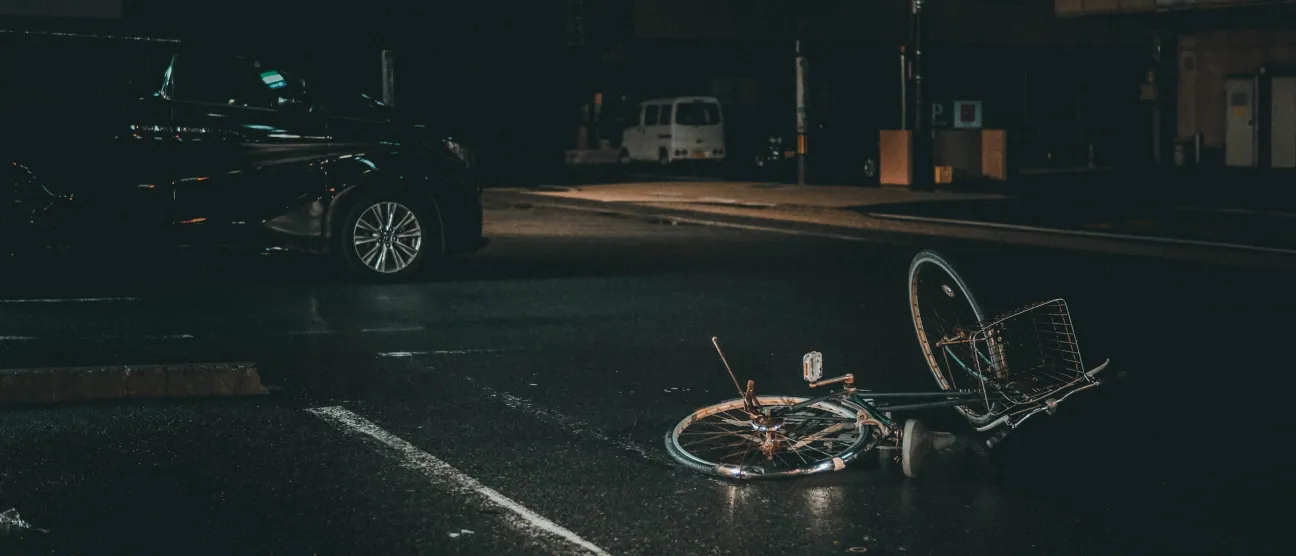
We review reports, photos, witness statements, medical records, insurance letters, and other evidence to understand what happened and who may be responsible.

We review medical bills, lost income, future care, pain and suffering, property damage when applicable, and other losses tied to the claim.
We handle communication with insurers and push back against low offers, delays, and attempts to shift blame.

If the insurance company refuses to make a fair offer, we can file a lawsuit and prepare the case for court.
