


Tacoma Spinal Injury Lawyer for Back and Neck Trauma
Tacoma spinal injury lawyers fight for maximum compensation while you focus on healing from spinal cord damage, vertebral fractures, and other serious back injuries.

A Tacoma spinal injury lawyer helps people seek compensation after an accident causes spinal cord damage, a serious back injury, neck injury, herniated disc, nerve damage, paralysis, or long-term mobility problems.
Spinal injuries can affect far more than your back. They can change how you walk, sit, stand, sleep, lift, work, drive, and care for yourself. Some people recover with treatment. Others deal with surgery, chronic pain, nerve symptoms, mobility loss, or permanent limits that affect the rest of their lives.
If your spinal injury happened in a car crash, truck accident, motorcycle crash, pedestrian accident, fall, worksite incident, unsafe property accident, or another preventable event in Tacoma or Pierce County, Strong Law can help build a claim around the full impact of the injury.
Free spinal injury consultation: Talk with a Tacoma spinal injury attorney today. You pay no fee unless we recover compensation for you.
When a Spine Injury Changes More Than Your Back
A spinal injury can affect nearly every part of daily life. The spine controls movement, stability, sensation, and nerve function. When the spine is damaged, pain may be only one part of the problem.
A serious spine injury may affect your ability to:
- Walk or stand for long periods
- Sit comfortably
- Lift, bend, twist, or carry weight
- Sleep through the night
- Drive
- Work your normal job
- Care for children or family members
- Exercise or stay active
- Live without daily help
- Control bladder or bowel function in severe cases
- Manage nerve pain, weakness, numbness, or spasms
These claims are not only about the first emergency room bill. A strong spinal injury claim should show what changed physically, financially, and personally after the accident.
Key Questions in a Spinal Injury Claim
What changed after the accident?
A strong claim should show how the injury affects walking, sitting, lifting, sleeping, working, driving, and daily life.
What medical proof supports the injury?
Medical records, MRIs, CT scans, X-rays, nerve studies, treatment notes, surgery records, and work restrictions can help prove the injury.
What future care may be needed?
Future care may include surgery, injections, therapy, medication, mobility support, home changes, or long-term pain management.
How is the injury affecting work?
A spinal injury claim should account for missed work, lighter duties, reduced hours, job changes, or not being able to return to the same career.
Quick Answers About Tacoma Spinal Injury Claims
What does a Tacoma spinal injury lawyer do?
A Tacoma spinal injury lawyer helps show what happened, who was responsible, what care may be needed, and what compensation may be available.
What types of spine injuries can support a claim?
A claim may involve spinal cord damage, paralysis, fractured vertebrae, herniated discs, bulging discs, pinched nerves, chronic back pain, neck injuries, injections, surgery, therapy, or long-term care.
Can I recover compensation for a herniated disc after an accident?
Yes, if the evidence connects the herniated disc to the accident. Medical records, imaging, treatment history, pain-management records, work limits, and doctor opinions can all matter.
What if I already had back problems before the accident?
You may still have a claim if the accident made your condition worse. Insurance companies often use old back problems to lower claim value. Medical records and symptom history help push back.
How long do I have to file a spinal injury lawsuit in Washington?
Most Washington personal injury lawsuits must be filed within three years under RCW 4.16.080. Some claims may have shorter deadlines, especially if a government vehicle, public agency, or public property is involved.
Can I recover compensation if I was partly at fault?
Possibly. Washington follows comparative fault under RCW 4.22.005. Your compensation may be reduced by your share of fault, but partial fault does not automatically stop your claim.
How much does it cost to hire Strong Law?
There is no upfront cost. Strong Law only gets paid if compensation is recovered for you.

Contents

What Counts as a Spinal Injury?
A spinal injury can involve damage to the spinal cord, bones, discs, nerves, ligaments, muscles, or other structures in the back or neck.
Some spinal injuries are immediately obvious. Others become clearer after symptoms worsen, imaging is completed, or treatment does not resolve the pain.
Common spinal injuries include:
- Spinal cord injuries
- Complete spinal cord injuries
- Incomplete spinal cord injuries
- Paralysis
- Fractured vertebrae
- Herniated discs
- Bulging discs
- Disc protrusions
- Nerve compression
- Radiating nerve pain
- Neck injuries
- Back injuries
- Spinal instability or trouble staying stable
- Chronic pain
- Failed back or neck surgery complications
- Spinal injuries requiring injections, surgery, therapy, or long-term treatment
A spinal injury attorney looks at more than the first diagnosis. The claim should also show how the injury affects movement, pain, sleep, work, independence, and future treatment. If you need a Washington spinal injury lawyer or Pierce County spinal injury lawyer, Strong Law can help explain how these claims work under Washington law.
A spinal injury does not have to cause paralysis to be serious. A herniated disc, nerve injury, or chronic back condition can still affect work, sleep, movement, and quality of life.
Complete vs. Incomplete Spinal Cord Injuries
Spinal cord injuries can be complete or incomplete.
A complete spinal cord injury means the person loses feeling and movement below the damaged part of the spine. This may result in paralysis affecting the lower body, paralysis affecting the arms and legs, or other permanent mobility loss.
An incomplete spinal cord injury means some feeling or movement remains. The person may still have weakness, numbness, nerve pain, balance problems, spasms, or reduced mobility.
Even when some movement remains, the person may still need therapy, medication, mobility equipment, home changes, or long-term care.
A spinal cord lawyer can help document how the injury affects movement, sensation, daily care, work, and long-term independence. If paralysis is involved, a paralysis lawyer Tacoma claim may also need future care planning, mobility equipment, home changes, and income-loss evidence.
Herniated Discs, Nerve Damage, and Chronic Pain
Not every serious spinal injury involves paralysis. Many Tacoma spinal injury claims involve herniated discs, bulging discs, nerve compression, or chronic pain after a crash or fall.
A herniated disc can press on nearby nerves and cause symptoms such as:
- Neck pain
- Back pain
- Pain traveling into the arm or leg
- Numbness
- Tingling
- Weakness
- Burning pain
- Trouble sitting or standing
- Trouble lifting or bending
- Reduced ability to work
Insurance companies may try to call these injuries “normal aging” or “pre-existing changes.” That does not automatically defeat the claim. The key question is whether the accident caused the injury or made an existing problem worse.
A herniated disc lawyer Tacoma claim often depends on showing what changed after the accident. Medical imaging, pain-management records, treatment history, and work limits can help show whether the crash or fall caused the disc injury or made an existing condition worse.
How Spinal Injuries Are Diagnosed and Proven
Spinal injury claims depend heavily on medical proof. Pain matters, but records make the claim stronger. The records should connect the accident, the injury, and the daily limits.
Evidence may include:
- Emergency room records
- Primary care records
- Orthopedic records
- Neurosurgeon or spine specialist records
- Pain-management records
- Physical therapy records
- Surgical records
- X-rays
- CT scans
- MRIs
- Nerve studies
- Injection records
- Work restrictions
- Medication history
- Disability paperwork
- Photos and videos from the accident
- Crash reports or incident reports
- Witness statements
- Family or coworker observations
Imaging can be important because it may show fractures, disc injuries, spinal cord damage, nerve compression, or structural changes. But the claim should not rely on imaging alone. Symptoms, treatment history, work limits, and doctor opinions can help show how the injury affects your life.
A spinal surgery injury claim may require more than proof that surgery happened. The claim should explain why surgery was needed, how the injury affected daily life before surgery, and what limitations may remain after treatment.

How the Legal Strategy Changes Based on the Cause
Spinal injury claims are not all built the same way. The evidence and legal strategy depend on how the injury happened.
Car Accidents
In a car crash, the claim may focus on driver negligence, police reports, vehicle damage, crash photos, witness statements, traffic laws, insurance coverage, and medical records. Rear-end crashes, rollovers, side-impact collisions, and head-on crashes can all cause serious neck and back trauma.
If your spinal injury happened in a passenger vehicle crash, our Tacoma car accident lawyer page explains how crash claims are handled.
Truck Accidents
Truck crashes can cause severe spine injuries because of the size and force of commercial vehicles. These cases may involve trucking company records, driver logs, black box data, maintenance records, cargo loading, and commercial insurance.
If your injury involved a semi-truck, delivery truck, freight vehicle, or other commercial vehicle, our Tacoma truck accident lawyer page explains the truck-specific evidence that may matter.
Motorcycle, Pedestrian, and Bicycle Accidents
Motorcycle riders, pedestrians, and bicyclists have less protection in a crash. A direct impact with a vehicle, pavement, curb, or road surface can cause spinal cord damage, disc injuries, fractures, or nerve trauma.
If the injury happened while walking, our Tacoma pedestrian accident lawyer page may be more specific. If the injury happened while riding, our Tacoma motorcycle accident lawyer page may also help explain the accident side of the claim.
Falls and Unsafe Property
Falls can cause serious spine injuries when a person lands on their back, neck, tailbone, or head. These cases may involve wet floors, unsafe stairs, poor lighting, broken walkways, clutter, missing handrails, ice, construction hazards, or other dangerous conditions.
In a premises liability case, the issue is often whether the property owner knew or should have known about the hazard and failed to fix it or warn people.
Worksite and Construction Accidents
Spinal injuries can happen at construction sites, warehouses, industrial areas, loading docks, and other workplaces. These cases may involve workers’ compensation, but there may also be a separate claim against a negligent contractor, equipment manufacturer, property owner, or third party.
Common Causes of Spinal Injuries in Tacoma
Spinal injuries in Tacoma and Pierce County often happen in high-force accidents, falls, and incidents where the body is twisted, compressed, struck, or thrown.
Common causes include:
- Rear-end crashes
- Head-on collisions
- Rollover crashes
- Truck accidents
- Motorcycle crashes
- Pedestrian impacts
- Bicycle crashes
- Falls from height
- Slip and fall accidents
- Worksite accidents
- Construction accidents
- Unsafe stairs or walkways
- Defective equipment
- Falling objects
- Violent impacts or sudden trauma
Tacoma-specific context may matter. A spine injury claim may involve a crash on I-5, SR 16, SR 512, Pacific Avenue, South Tacoma Way, Port of Tacoma freight routes, industrial areas, commercial properties, apartment complexes, job sites, or pedestrian-heavy intersections.

We’ve helped thousands of accident victims like you
we win
98%
4.9
stars
over
2,000



“Very professional, and treated me as an equal.”
"Just wanted to say thank you to Jed and his team at Strong Law. Not only was I happy with the outcome, but the entire process as a whole. I would definitely recommend this firm to anyone. Thanks again."
“Unbelievable work!”
"I had a claim involving my own insurance company. I tried to negotiate with them, and they completely denied my claim – two times. I then hired Strong Law, and the change was instant. The insurance company immediately began negotiating, and Jed was able to secure an unbelievably good settlement. I will never again attempt to take-on an insurance company without Strong Law in my corner. Thank you!"


“I got justice and awesome compensation.”
"I hired Strong Law after my car accident. Jed and his team worked hard on my case. They were professional and compassionate through my surgery and as I recovered, and they were awesome on communication. I got justice and awesome compensation. I would recommend Strong Law to anyone in my situation."


Long-Term Effects of a Spinal Injury
A spinal injury can change how a person lives long after the first hospital visit.
Long-term effects may include:
- Chronic pain
- Nerve pain
- Numbness or tingling
- Weakness
- Muscle spasms
- Loss of mobility
- Paralysis
- Difficulty sitting or standing
- Trouble walking
- Sleep problems
- Depression or anxiety
- Loss of independence
- Reduced ability to work
- Need for surgery
- Need for injections
- Need for physical therapy
- Need for home care or daily help
Some people are able to return to work with limits. Others need a different job, fewer hours, or long-term support. Some cannot return to work at all.
That is why a spinal injury claim should look beyond the first medical bills. It should account for future treatment, lost earning capacity, home needs, and the personal impact of the injury.
Critical Damages a Spinal Injury Claim Should Include
A spinal cord or serious back injury can create costs that last for years. Some costs are obvious. Others are missed if the claim is settled too quickly.
Compensation may include:
- Emergency medical care
- Hospital bills
- Spinal surgery
- Future surgeries
- Specialist visits
- Pain-management care
- Injections
- Physical therapy
- Occupational therapy
- Mental health treatment
- Medication
- Mobility devices
- Wheelchairs or walkers
- Assistive technology
- Home changes, such as ramps or widened doorways
- Vehicle changes, such as hand controls or lifts
- In-home nursing care
- Long-term care facility costs
- Lost income
- Reduced future earning ability
- Job retraining
- Chronic pain management
- Pain and suffering
- Emotional distress
- Loss of enjoyment of life
- Loss of independence
A long-term spine injury compensation claim should look beyond the first round of medical bills. It should include future treatment, work limits, chronic pain, mobility needs, and the personal impact of living with a serious back or neck injury.
A quick settlement may not include these future needs. That is why it is important to understand the medical outlook before resolving a serious spinal injury claim.
How Lost Earning Capacity Is Proven
Lost earning capacity means the injury affects your ability to work or earn money in the future.
This is different from missed wages. Missed wages are the paychecks you already lost. Lost earning capacity looks at what the injury may cost you going forward.
A spinal injury may affect income if you:
- cannot return to your prior job
- can only work part-time
- need lighter duties
- cannot lift, stand, sit, bend, or drive like before
- need a lower-paying job
- need job retraining
- lose future promotions or career growth
- have to stop working earlier than planned
Work records, doctor restrictions, job descriptions, wage history, and expert opinions can help show how the injury affects your future income.
How Insurance Companies Dispute Spinal Injury Claims
Insurance companies often fight spinal injury claims because back and neck injuries can be expensive and long-lasting.
Common arguments include:
- “You had back problems before the accident.”
- “The MRI only shows normal aging.”
- “The crash only caused a strain.”
- “You do not need surgery.”
- “Your pain is subjective.”
- “You waited too long to get treatment.”
- “You can still work.”
- “Your symptoms are not related to the accident.”
- “Your treatment is too expensive.”
- “You should have recovered by now.”
These arguments can hurt the claim if they are not answered with evidence. Strong Law helps connect the accident, medical records, imaging, treatment history, work limits, and daily life changes so the injury is not dismissed as minor.
Washington Law and Spinal Injury Claims
Washington law can affect how long you have to file and how fault is handled.
Most Washington personal injury lawsuits must be filed within three years under RCW 4.16.080. Missing the deadline can stop you from filing a lawsuit, even if the injury is serious.
Washington also follows comparative fault under RCW 4.22.005. If an insurance company says you were partly responsible, it may try to reduce your compensation. That does not mean the adjuster is right. Fault often depends on evidence, witness statements, reports, safety rules, and expert review.
Some cases may require faster action, especially if a government vehicle, public agency, public property, or roadway issue is involved.
What to Do After a Suspected Spine Injury
After a suspected spinal injury, your health comes first. Once you are safe, the next priority is preserving evidence and documenting symptoms.
Important steps include:
- Get medical care as soon as possible.
- Report neck pain, back pain, numbness, tingling, weakness, or radiating pain.
- Follow up if symptoms get worse or do not improve.
- Save medical records, imaging results, and discharge instructions.
- Keep photos of the accident scene, vehicles, property condition, or equipment involved.
- Get witness names and contact information.
- Track missed work and income loss.
- Keep a symptom journal.
- Do not give a recorded statement before understanding your rights.
- Avoid accepting a quick settlement before you know the long-term medical outlook.
Spinal injury cases can take time to understand. A quick offer may not include surgery, injections, therapy, future care, lost earning capacity, or long-term pain.
When a Spinal Injury Becomes Catastrophic
Some spinal injuries are catastrophic. That means they cause permanent disability, major mobility loss, paralysis, chronic pain, or a serious loss of independence.
If the injury changes the way you live, work, move, or care for yourself, the claim may need to include future medical care, life-care planning, caregiver support, and long-term income loss.
Our Tacoma catastrophic injury lawyer page explains how life-changing injury claims are evaluated.
If the accident also caused a traumatic brain injury, our Tacoma brain injury lawyer page explains how TBI claims are documented.
If a spinal injury later becomes fatal, the family may have a wrongful death claim. Our Tacoma wrongful death lawyerpage explains how those claims work.
What Should I Look for in a Tacoma Spinal Injury Lawyer?
A spinal injury case requires more than a basic injury claim review. The right lawyer should understand how spine injuries are diagnosed, how insurance companies dispute them, and how long-term damages are proven.
Ask questions like:
- How do you prove a herniated disc or nerve injury?
- How do you respond when insurance says the injury is age-related or pre-existing?
- How do you prove future surgery or long-term care needs?
- How do you document lost earning capacity?
- How do you use medical records, imaging, and specialist opinions?
- How do you handle recorded statement requests from insurance companies?
- How do you build a claim if symptoms get worse over time?
The right lawyer should explain these issues clearly and should not promise a case value before reviewing the facts.
Why Choose Strong Law for a Tacoma Spinal Injury Claim
Strong Law helps people in Tacoma, Pierce County, and Washington after serious accidents and spinal injuries. The firm focuses on evidence, medical documentation, insurance strategy, and the long-term effect of the injury.
A major advantage is insurance-side insight. Before founding Strong Law, attorney Jed Strong worked as in-house counsel for GEICO and defended insurance companies in injury claims. That background helps the team understand how insurers review medical records, question spine injuries, and decide when to settle.
Strong Law works on a contingency fee basis. That means there is no upfront attorney fee, and you pay no attorney fee unless compensation is recovered for you.
Our Tacoma office is located at:
Strong Law Accident & Injury Attorneys
1120 Pacific Ave Suite 110
Tacoma, WA 98402
Talk With a Tacoma Spinal Injury Lawyer Today
If you suffered a spinal cord injury, serious back injury, neck injury, herniated disc, nerve injury, or mobility loss after an accident in Tacoma or Pierce County, do not let the insurance company decide what your injury is worth before the full impact is known.
Strong Law can review what happened, explain your options, identify available insurance coverage, and help you pursue compensation for medical care, lost income, future treatment, and long-term losses.
Call now: (206) 737-1421 for a free consultation with a Tacoma spinal injury lawyer. You pay no fee unless we recover compensation for you.
Get Your Free
Case Review

Insider experience
We Know How Insurance Companies Operate
Before founding Strong Law, attorney Jed worked as in-house counsel for GEICO, defending insurance companies in accident and injury claims. That experience helps our team understand how insurers evaluate claims, dispute injuries, and decide when to settle. We use that knowledge to build stronger claims for injured people.

No upfront fees
Zero Cost Unless You Win
You owe us nothing unless we recover compensation for you. There is no obligation to hire us after your consultation and no hidden attorney fees along the way.

First-Class Service
Legal Support That Goes Beyond the Basics
Our team does more than process paperwork. We answer your questions, explain your options, track important deadlines, and help you understand each step of the injury claim.

Start here
Get Your Free Case Evaluation Today
We will review your injury claim at no cost and explain your options clearly. The goal is to help you protect your health, your claim, and your financial recovery after a serious accident or injury.
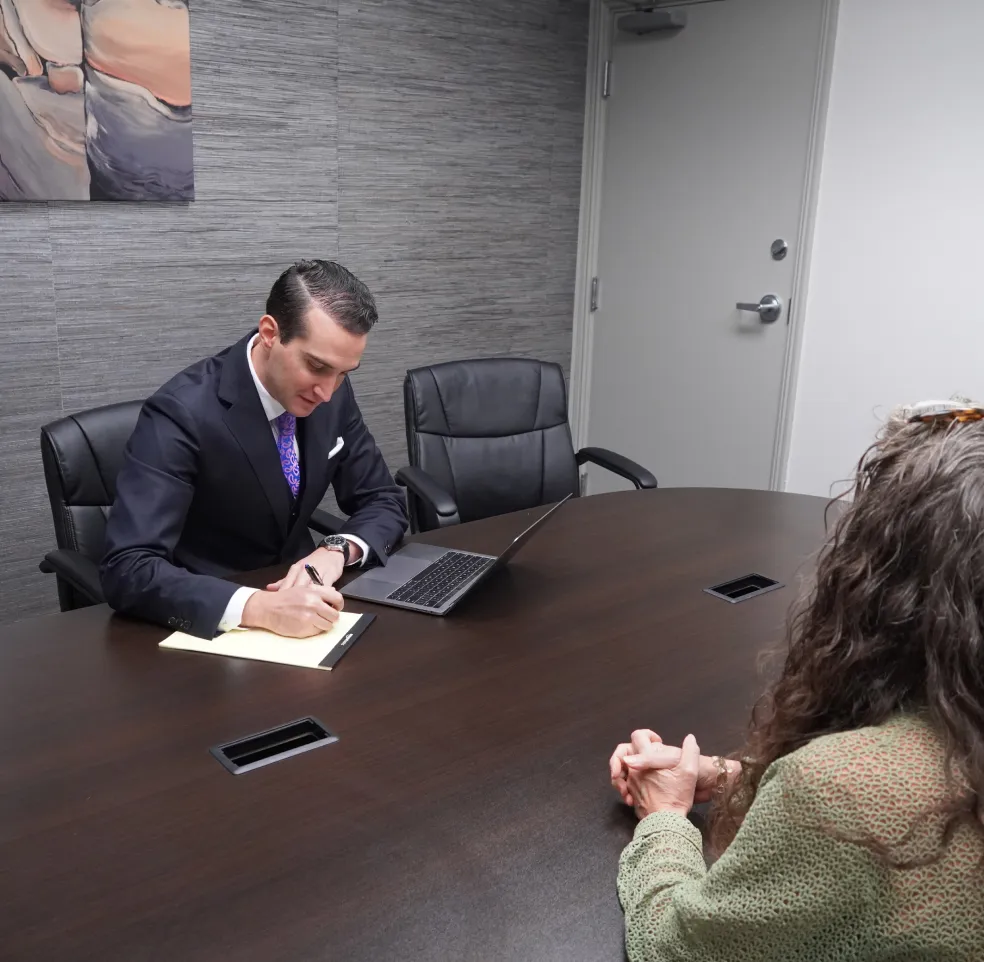
How Strong Law will handle your case

We review reports, photos, witness statements, medical records, insurance letters, and other evidence to understand what happened and who may be responsible.

We review medical bills, lost income, future care, pain and suffering, property damage when applicable, and other losses tied to the claim.

We handle communication with insurers and push back against low offers, delays, and attempts to shift blame.

If the insurance company refuses to make a fair offer, we can file a lawsuit and prepare the case for court.
Frequently Asked Questions About Tacoma Spinal Injury Claims
What qualifies as a spinal injury claim?
A spinal injury claim may involve spinal cord damage, paralysis, fractured vertebrae, herniated discs, bulging discs, nerve compression, neck injuries, back injuries, chronic pain, or mobility loss caused by an accident.
Is a spinal injury different from a back injury?
A back injury can involve muscles, ligaments, discs, bones, or nerves. A spinal injury may involve the spinal cord, vertebrae, discs, or nerve structures. Some back injuries are minor, while others are serious spinal injury claims.
Can I recover compensation for a herniated disc?
Yes, if the evidence connects the herniated disc to the accident. Imaging, treatment records, pain-management notes, work restrictions, and medical opinions can help support the claim.
What if I had back problems before the accident?
You may still have a claim if the accident made your condition worse. Insurance companies often use prior back problems to reduce claims, so medical records and symptom history matter.
What evidence helps prove a spinal injury?
Helpful evidence may include medical records, MRIs, CT scans, X-rays, nerve studies, surgical records, pain-management records, physical therapy records, work restrictions, photos, witness statements, and accident reports.
What if I need spine surgery in the future?
Future surgery should be considered before settlement. Medical opinions, specialist records, and future care planning can help show what treatment may be needed later.
What is lost earning capacity in a spinal injury case?
Lost earning capacity means the injury affects your ability to earn money in the future. It may involve fewer hours, lighter work, a lower-paying job, job retraining, or not being able to return to your prior career.
How long do I have to file a spinal injury lawsuit in Washington?
Most Washington personal injury lawsuits must be filed within three years. Some cases may have shorter deadlines, especially if a government vehicle, public agency, or public property is involved.
Can I recover compensation if I was partly at fault?
Possibly. Washington follows comparative fault. Your compensation may be reduced by your share of fault, but partial fault does not automatically stop your claim.
What should I look for in a Tacoma spinal injury lawyer?
Look for a lawyer who understands back injuries, neck injuries, spinal cord damage, herniated discs, nerve pain, future surgery, lost earning capacity, and insurance company tactics. The right lawyer should explain how the injury is proven and how long-term losses are calculated.
How much does it cost to hire Strong Law?
There is no upfront cost. Strong Law works on a contingency fee basis, which means you pay no attorney fee unless compensation is recovered for you.
Contact us
Our team is standing by to help you.