
Salt Lake City Slip and Fall Lawyer for Injury Claims
Slipped or tripped on unsafe property in Salt Lake City? Strong Law helps preserve evidence, identify who controlled the danger, and pursue compensation for the harm it caused.

A Salt Lake City slip and fall lawyer helps people injured at stores, restaurants, hotels, apartment buildings, offices, parking areas, and other properties in Salt Lake City and Salt Lake County. Strong Law Accident & Injury Attorneys investigates why the fall happened, who controlled the area, whether the danger should have been fixed or marked with a warning, and how the injury affected your health, work, and daily life.
A fall by itself does not prove negligence. A strong Salt Lake City premises-liability claim needs evidence of a dangerous condition, responsibility for the hazard, and a clear link between the condition, the fall, and the injury.
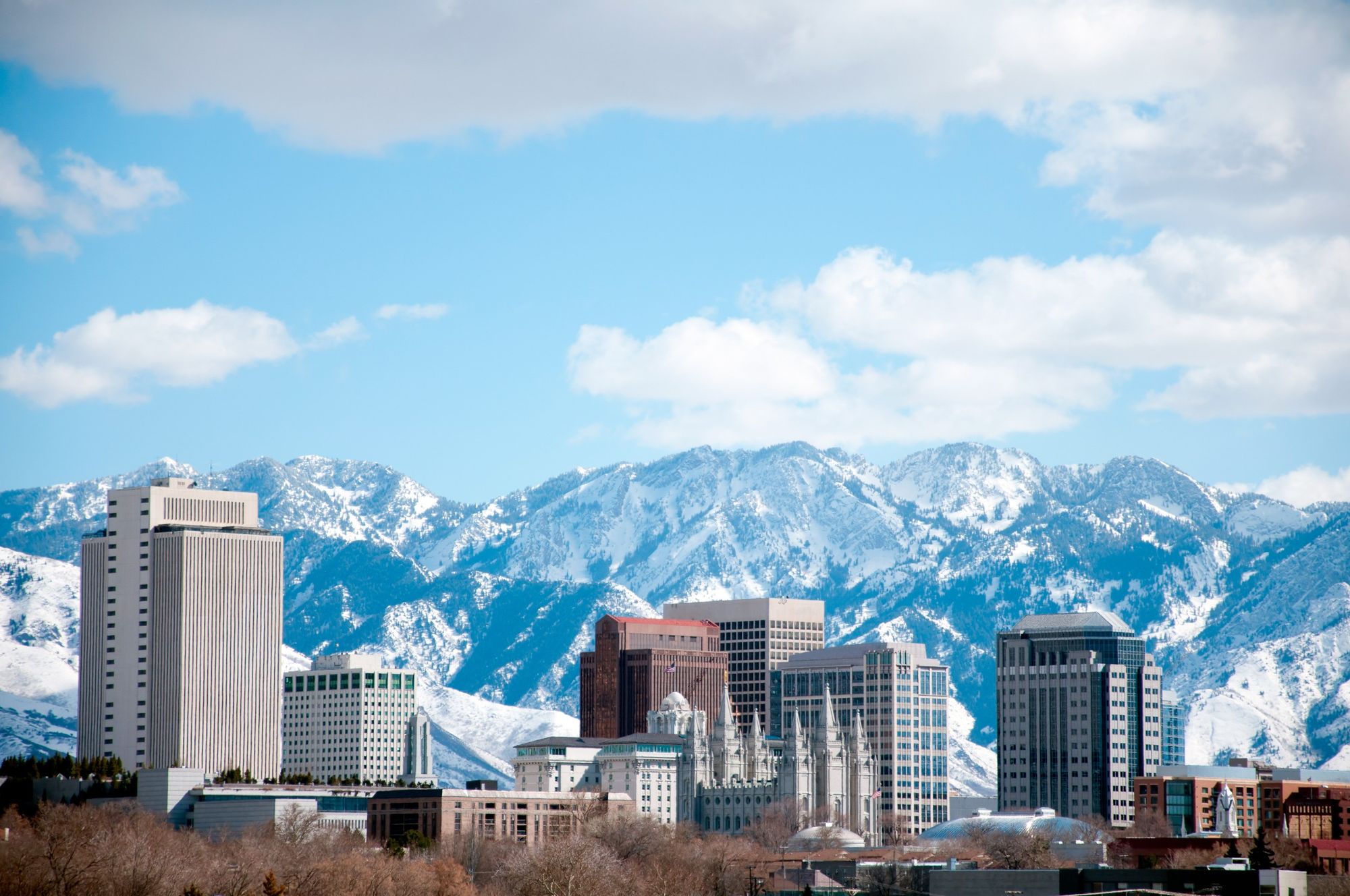
Strong Law serves Salt Lake City and Salt Lake County from its Utah office in Midvale. We help people injured in downtown Salt Lake City, Sugar House, the Avenues, Ballpark, Rose Park, Liberty Wells, and nearby neighborhoods.
If you were hurt on unsafe property in Salt Lake City, we can review your case for free. You do not pay attorney fees unless we recover compensation for you. For broader injury questions, our Salt Lake City personal injury lawyer page explains the general claim process.
Do You Have a Salt Lake City Slip and Fall Claim?
You may have a claim if an unsafe property condition caused your fall and the person or company responsible for the area failed to use reasonable care. The case may involve a property owner, business, landlord, property manager, maintenance company, snow-removal contractor, or another party that controlled the hazard.
Legal help may be useful when:
- You needed emergency care, surgery, imaging, therapy, or specialist treatment
- The hazard changed or disappeared soon after the fall
- A business refuses to provide an incident report or video
- The insurer says the owner had no notice or that you caused your own fall
- You missed work or may have long-term limits
- You fell on snow, ice, broken pavement, unsafe stairs, or a wet floor
- A public sidewalk, city building, or government property may be involved
Evidence can disappear quickly. Spills are cleaned, snow melts, defects are repaired, and surveillance footage may be recorded over.
What Makes Slip and Fall Cases in Salt Lake City Different?
Salt Lake City fall claims often involve winter weather, snowmelt, refreezing, tracked-in slush, older buildings, apartment common areas, parking garages, stairs, sidewalks, and busy commercial entrances.
A downtown store or office entrance may require surveillance video, cleaning records, and evidence showing when moisture reached the floor. An icy Sugar House apartment walkway may turn on snow-removal records, maintenance requests, lease duties, and who controlled the common area.
A fall on stairs in an older Avenues building may depend on lighting, handrails, repair history, and prior complaints. A parking-area fall in Ballpark or Rose Park may require evidence about pavement, drainage, lighting, and maintenance.
Snowmelt can refreeze on shaded walkways, parking ramps, and apartment entrances. Tracked-in slush can create indoor hazards that change within minutes. These changing conditions make photographs, video, inspection records, and witness accounts especially important.
Salt Lake City’s snow-removal guidance requires people who own, rent, manage, or operate businesses on property to clear bordering sidewalks within 24 hours after snow stops. The cleared path must generally be at least 42 inches wide, or the full width when the sidewalk is narrower. Breaking a city rule may support a claim, but it does not automatically make someone legally responsible for a fall.
What Dangerous Conditions Commonly Cause Falls?
Salt Lake City slip, trip, and fall claims can arise from:
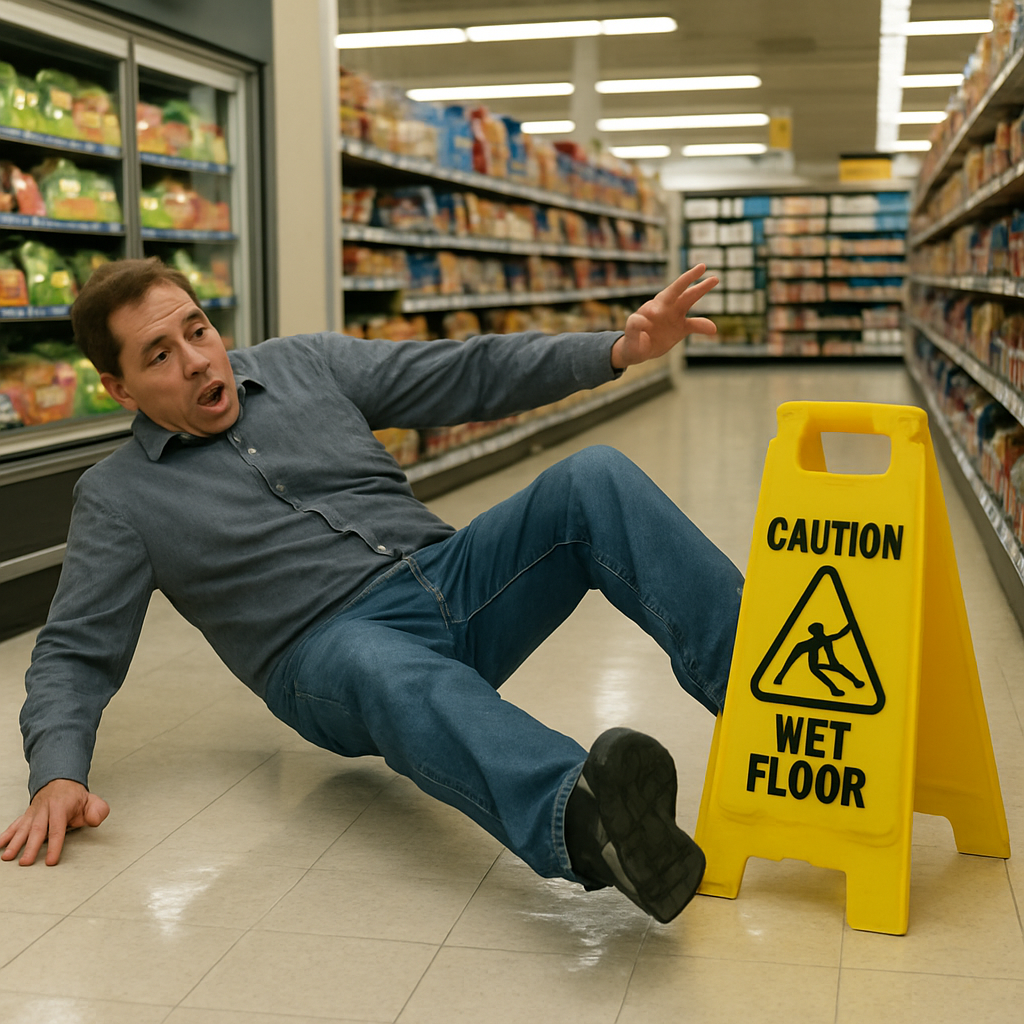
- Wet floors, spills, leaks, or recently mopped areas
- Snow, ice, slush, or tracked-in moisture
- Uneven sidewalks, broken pavement, potholes, or raised flooring
- Loose rugs, torn carpet, cords, boxes, or debris
- Unsafe stairs, missing handrails, or unexpected floor-height changes
- Poor lighting in stairwells, garages, hallways, or entrances
- Construction hazards or temporary barriers
- Merchandise or equipment blocking a normal walking path
You need evidence showing why the condition was dangerous, who controlled the area, and whether it should have been fixed or marked with a warning.

Contents
What Must You Prove in a Salt Lake City Slip and Fall Case?
Salt Lake City slip-and-fall claims are governed by Utah premises-liability law. Most claims depend on five connected points:
- Someone owed you a duty of care. A person or company responsible for the property had a legal duty based on the location, your reason for being there, and the surrounding facts.
- The property had a dangerous condition. A spill, defect, obstruction, ice patch, lighting problem, or other condition created an unreasonable risk.
- The responsible party failed to use reasonable care. It created the danger, knew about it, or should have found and addressed it.
- The hazard caused the fall. You must connect the dangerous condition to both the fall and the injury.
- The fall caused measurable harm. That may include medical treatment, missed work, pain, disability, or other losses.
The duty can change based on why a person was on the property. A customer entering a store is usually treated differently from someone who entered private property without permission.
How Does Notice Work in a Salt Lake City Slip and Fall Case?
Notice is often the main dispute in a Salt Lake City premises-liability claim.
Actual notice means an owner, manager, or employee knew about the danger. An employee may have seen the spill, received a complaint, written a repair request, or discussed the condition before the fall.
Constructive notice means the condition existed long enough that a reasonable inspection should have found it. Cleaning schedules, inspection logs, witness accounts, maintenance records, photos, and video may help show how long the danger was present.
Utah law treats hazards differently, but the local evidence decides how those rules apply to a Salt Lake City claim. If another customer spilled a drink moments before a fall at a downtown business, timing may decide whether the business had a fair chance to find it. If an employee created the danger, separate proof that the business later discovered it may not be needed.
In Jex v. JRA, the Utah Supreme Court explained how notice applies to temporary hazards and why the analysis changes when the owner or an employee created the condition.
A broken stair, uneven apartment walkway, or other long-standing problem may also be treated differently from a fresh spill. Merino v. Albertsons discusses the difference between temporary hazards and permanent or structural property conditions.
What If the Hazard Was Open and Obvious?
Property owners and insurers often argue that a person should have seen and avoided a visible ice patch, step, curb, cord, wet floor, or change in elevation.
A visible condition can affect the case, but it does not always end it. The court may still consider whether the owner should have expected people to encounter the danger and whether lighting, crowds, displays, weather, or another distraction made it harder to avoid.
In Hale v. Beckstead, the Utah Supreme Court explained that an open or obvious danger does not automatically defeat every claim. The surrounding facts and what the property owner should reasonably have expected can still matter.
Who May Be Responsible for an Unsafe Salt Lake City Property?
Responsibility depends on who controlled the area, created or knew about the condition, and had the duty to inspect, clean, repair, or warn.
A claim may involve:
- A business operator
- A property owner
- A landlord or property manager
- A tenant responsible for the area
- A janitorial or maintenance contractor
- A snow- or ice-removal company
- A construction contractor
- A city, county, or other public agency responsible for public property
A landlord is not responsible for every apartment fall, and Salt Lake City is not responsible for every sidewalk fall. Control, contracts, prior complaints, inspection duties, and maintenance records help show who may be responsible.

What Evidence Helps Prove a Salt Lake City Slip and Fall Claim?
A strong claim documents the condition before it changes and shows how the fall affected your health, work, and daily life.
Useful evidence may include:
- Photos and video of the hazard and surrounding area
- Surveillance, doorbell, or parking-garage footage
- An incident report and the names of employees who responded
- Witness names and statements
- Cleaning and inspection logs
- Maintenance records, repair requests, and work orders
- Prior complaints or earlier incident records
- Snow-removal contracts, service logs, and weather information
- Warning signs, cones, mats, barriers, or the lack of them
- The shoes and clothing worn during the fall
- Medical records, bills, imaging, wage records, and work restrictions
Video and records should be requested quickly. A Salt Lake City business may record over surveillance footage, repair the condition, or replace inspection records as part of its normal routine.
How Do Insurance Companies Try to Deny Fall Claims?
Slip-and-fall insurers often focus on one issue: whether the property owner had enough time to find and fix the danger.
An adjuster may argue that the business had no notice, the spill appeared moments before the fall, warning signs were present, or the condition was too minor to be dangerous. The insurer may also claim that you were distracted, wearing unsafe shoes, moving too quickly, or ignoring an obvious hazard.
Insurers may also argue that treatment started late, the injury was pre-existing, or the medical records do not connect the condition to the fall. Video, inspection records, witness statements, photos, and a clear medical timeline can answer those claims.
Utah uses comparative fault. Under Utah Code § 78B-5-818, an injured person may recover when the combined fault assigned to the defendants and other responsible parties is greater than the injured person’s own fault. Any recovery can then be reduced by the injured person’s percentage of fault.
For example, if damages were $100,000 and the injured person was assigned 20% of the fault, the recovery could be reduced to $80,000.
What Compensation Can a Salt Lake City Fall Claim Include?
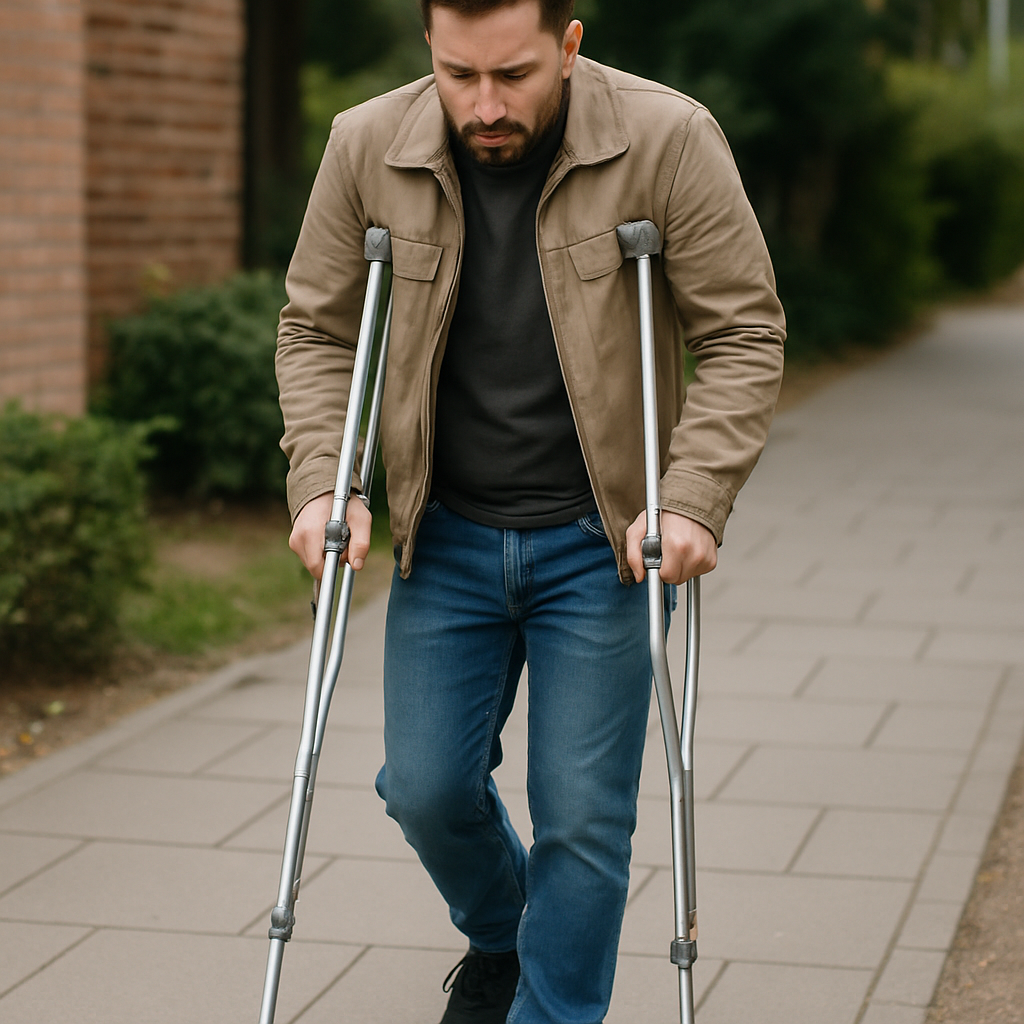
Falls can cause fractures, concussions, torn ligaments, shoulder and knee damage, back and neck injuries, spinal trauma, nerve damage, and lasting problems with balance or movement.
Some people need surgery, rehabilitation, mobility equipment, home help, or long-term care. A permanent disability may require detailed planning for future medical treatment, lost earning ability, home changes, transportation, and daily support. Those issues may also overlap with a Salt Lake City catastrophic injury claim.
Compensation may include:
- Emergency, hospital, surgical, and rehabilitation costs
- Future treatment, medication, therapy, and medical equipment
- Lost wages and reduced earning ability
- Pain and suffering and emotional distress
- Permanent impairment, scarring, or loss of mobility
- Transportation, household help, and other out-of-pocket costs
A serious Salt Lake City fall claim should not be valued only from the first medical bill. The long-term picture may depend on healing, future treatment, work limits, and whether the person returns to the same level of independence.
What Should You Do After a Fall in Salt Lake City?
Your health comes first. After that, take reasonable steps to preserve what happened.
- Get medical care. Tell the provider where, when, and how the fall happened.
- Report the incident. Notify the owner, manager, landlord, or person responsible for the property.
- Ask for an incident report. Request a copy or photograph it if possible.
- Photograph the condition. Take close and wide photos of the hazard, lighting, signs, and surrounding path.
- Get witness information. Do not assume the business will preserve names.
- Keep your shoes and clothing. Store them without cleaning or repairing them.
- Save records. Keep medical papers, bills, messages, receipts, and proof of missed work.
- Limit insurance statements and social-media posts. Do not guess about fault or minimize your injuries.
- Ask for early legal review. Video, logs, and maintenance records may disappear quickly.
We’ve helped thousands of accident victims like you
we win
98%
4.9
stars
over
2,000


“Very professional, and treated me as an equal.”
"Just wanted to say thank you to Jed and his team at Strong Law. Not only was I happy with the outcome, but the entire process as a whole. I would definitely recommend this firm to anyone. Thanks again."
“Unbelievable work!”
"I had a claim involving my own insurance company. I tried to negotiate with them, and they completely denied my claim – two times. I then hired Strong Law, and the change was instant. The insurance company immediately began negotiating, and Jed was able to secure an unbelievably good settlement. I will never again attempt to take-on an insurance company without Strong Law in my corner. Thank you!"

“I got justice and awesome compensation.”
"I hired Strong Law after my car accident. Jed and his team worked hard on my case. They were professional and compassionate through my surgery and as I recovered, and they were awesome on communication. I got justice and awesome compensation. I would recommend Strong Law to anyone in my situation."
How Long Do You Have to File a Salt Lake City Slip and Fall Claim?
Many Salt Lake City slip-and-fall lawsuits are generally subject to Utah’s four-year filing period under Utah Code § 78B-2-307. But not every case follows the same timeline, and waiting can weaken the evidence even when the general period appears longer.
If a city, county, government employee, or other public agency may be responsible for the property or dangerous condition, Utah Code § 63G-7-402 may require a written notice of claim within one year. A notice deadline is not the same as the final lawsuit deadline, and other steps may also apply.
How Does a Salt Lake City Slip and Fall Claim Move Forward?
The process begins with a free review of the fall, the Salt Lake City property, your treatment, and the evidence that may still exist.
If Strong Law accepts the case, we may send written requests to save video and records. We can also gather photos, reports, maintenance documents, contracts, witness statements, medical records, and wage information.
As treatment continues, the team documents medical bills, work loss, pain, mobility limits, and future needs. Once the evidence and medical picture are clear enough, the claim can be presented to the insurance company and other responsible parties.
Some cases settle through negotiation. If the other side denies responsibility or refuses a fair offer, a lawsuit may be needed.
Why Choose Strong Law for a Salt Lake City Slip and Fall Case?
Slip-and-fall insurers often try to win the case by arguing that the owner did not know about the danger or did not have enough time to fix it. Strong Law builds the claim around that issue, along with surveillance footage, inspection records, medical proof, and evidence showing who controlled the area.
Before representing injured people, attorney Jed Strong worked as an in-house attorney for GEICO. That experience helps the team recognize low offers, broad medical requests, and efforts to blame the injured person.
Our Utah office is in Midvale and serves clients throughout Salt Lake City and Salt Lake County. Strong Law has handled more than 2,000 successful cases across its offices. Our Midvale office has a 4.8-star Google rating from 162 reviews.
A customer who slips on tracked-in snow at a downtown business, a tenant who falls on an icy Sugar House walkway, and a visitor who trips on broken pavement in Rose Park do not need the same evidence. Each claim should be built around the property, the hazard, the people responsible, and the way the injury changed the client’s life.
Strong Law offers free case reviews and handles fall injury claims on a contingency fee basis. There are no upfront attorney fees or hourly bills. The exact fee is explained before you hire the firm, and you do not pay attorney fees unless compensation is recovered.
When Should You Call a Salt Lake City Slip and Fall Lawyer?
Call as soon as possible when the injury required medical care, the property owner denies responsibility, the hazard changed, or camera footage may disappear.
Early help is especially important when surgery may be needed, snow or ice was involved, public property is at issue, or the injury may affect your work, mobility, and independence for years.
Frequently Asked Questions About Salt Lake City Slip and Fall Claims
What if the property owner says it did not know about the hazard?
The claim may still be valid if a reasonable inspection should have found the danger or an owner or employee created it. Video, inspection logs, witnesses, maintenance records, and evidence showing how long the condition existed may help.
Can I bring a claim after falling on snow or ice in Salt Lake City?
Possibly. The result depends on who controlled the area, when the weather occurred, snow-removal duties, prior complaints, inspections, warnings, and how long the condition existed.
Who may be responsible for a fall at a Salt Lake City apartment complex?
A landlord, property manager, maintenance company, snow-removal contractor, tenant, or another party may be involved. Responsibility depends on control of the area, lease terms, contracts, prior notice, and maintenance duties.
What if the danger was open and obvious?
A visible condition does not always end the claim. Lighting, crowds, weather, displays, distractions, and whether the owner should have expected people to encounter the danger may still matter.
What if I was partly at fault?
Utah comparative-fault rules may reduce compensation based on your assigned share. You may recover when the combined fault of the defendants and other responsible parties is greater than your own.
What is my Salt Lake City slip and fall case worth?
Value depends on the injury, medical bills, future care, lost income, pain, disability, available insurance, and fault disputes. A serious claim should not be valued before the long-term medical picture is clear.
How long do I have to file a Salt Lake City slip and fall claim?
Many Salt Lake City slip-and-fall lawsuits are generally subject to Utah’s four-year filing period. If a city, county, government employee, or other public agency may be responsible, a written notice of claim may be required within one year. Other special rules can also apply.
How much does a Salt Lake City slip and fall lawyer cost?
Strong Law handles fall injury claims on a contingency fee basis. There are no upfront attorney fees or hourly bills. You do not pay attorney fees unless compensation is recovered.
Where is Strong Law’s Utah office?
Strong Law’s Utah office is in Midvale. From that office, we serve clients throughout Salt Lake City, Salt Lake County, and nearby communities.
Speak With a Salt Lake City Slip and Fall Lawyer Today
A serious fall in Salt Lake City can leave you facing medical treatment, missed work, pain, and an insurer that denies the property was unsafe. Strong Law can preserve evidence, investigate who controlled the area, document your losses, and help protect your claim.
Contact Strong Law Accident & Injury Attorneys for a free case review. You do not pay attorney fees unless we recover compensation for you.
How Strong Law will handle your case

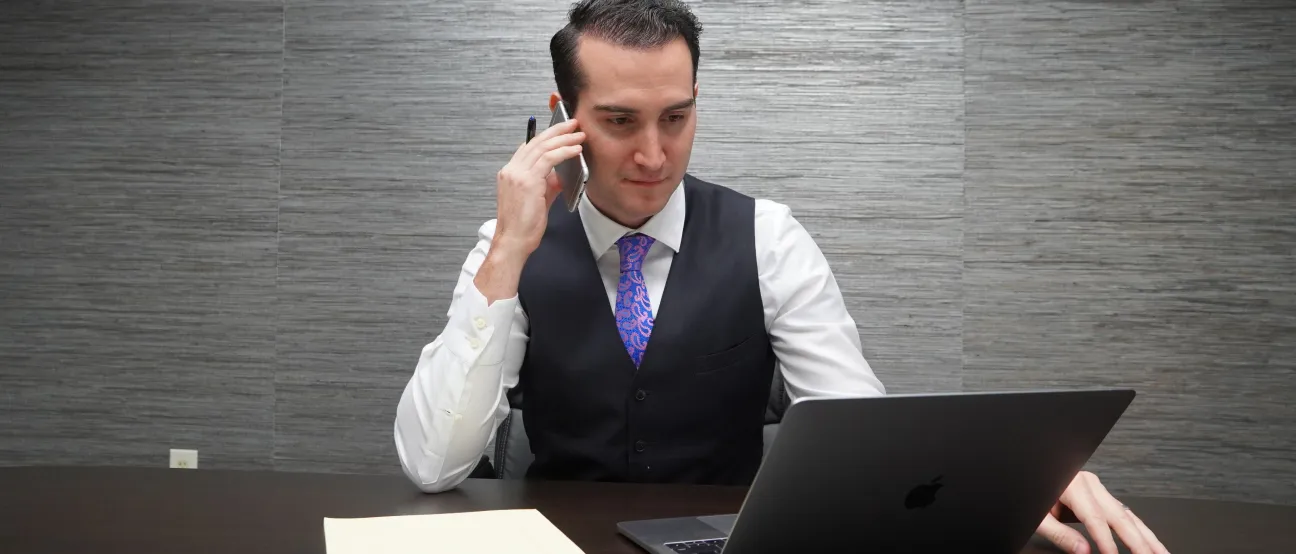
We review reports, photos, witness statements, medical records, insurance letters, and other evidence to understand what happened and who may be responsible.
We review medical bills, lost income, future care, pain and suffering, property damage when applicable, and other losses tied to the claim.
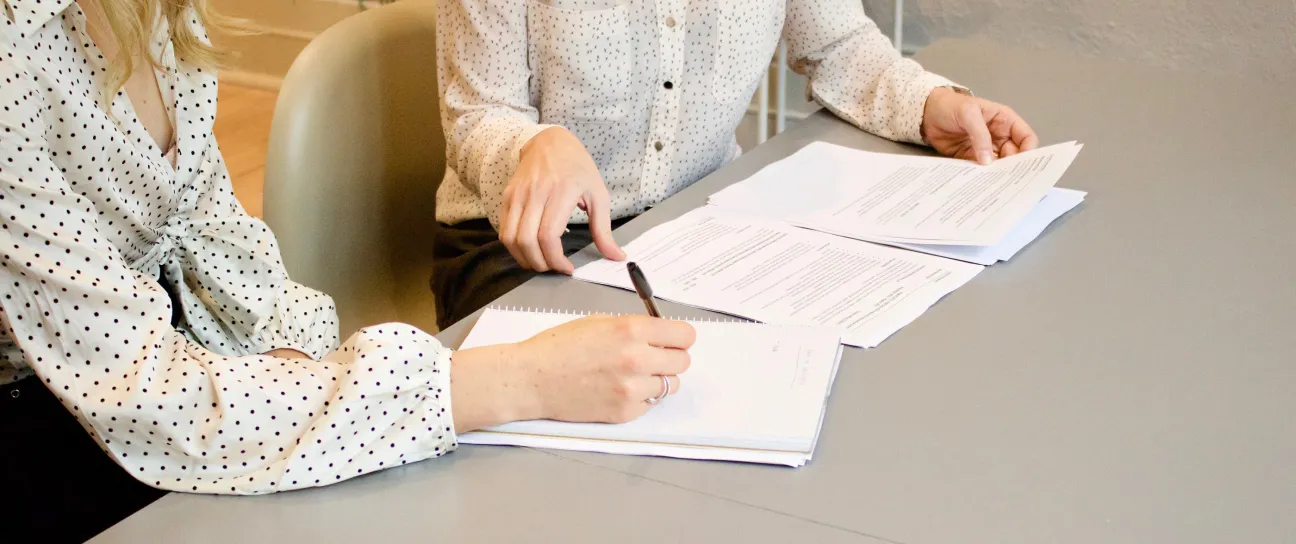
We handle communication with insurers and push back against low offers, delays, and attempts to shift blame.
If the insurance company refuses to make a fair offer, we can file a lawsuit and prepare the case for court.
Insider experience
We Know How Insurance Companies Operate
Before founding Strong Law, attorney Jed worked as in-house counsel for GEICO, defending insurance companies in accident and injury claims. That experience helps our team understand how insurers evaluate claims, dispute injuries, and decide when to settle. We use that knowledge to build stronger claims for injured people.

No upfront fees
Zero Cost Unless You Win
You owe us nothing unless we recover compensation for you. There is no obligation to hire us after your consultation and no hidden attorney fees along the way.

First-Class Service
Legal Support That Goes Beyond the Basics
Our team does more than process paperwork. We answer your questions, explain your options, track important deadlines, and help you understand each step of the injury claim.

Start here
Get Your Free Case Evaluation Today
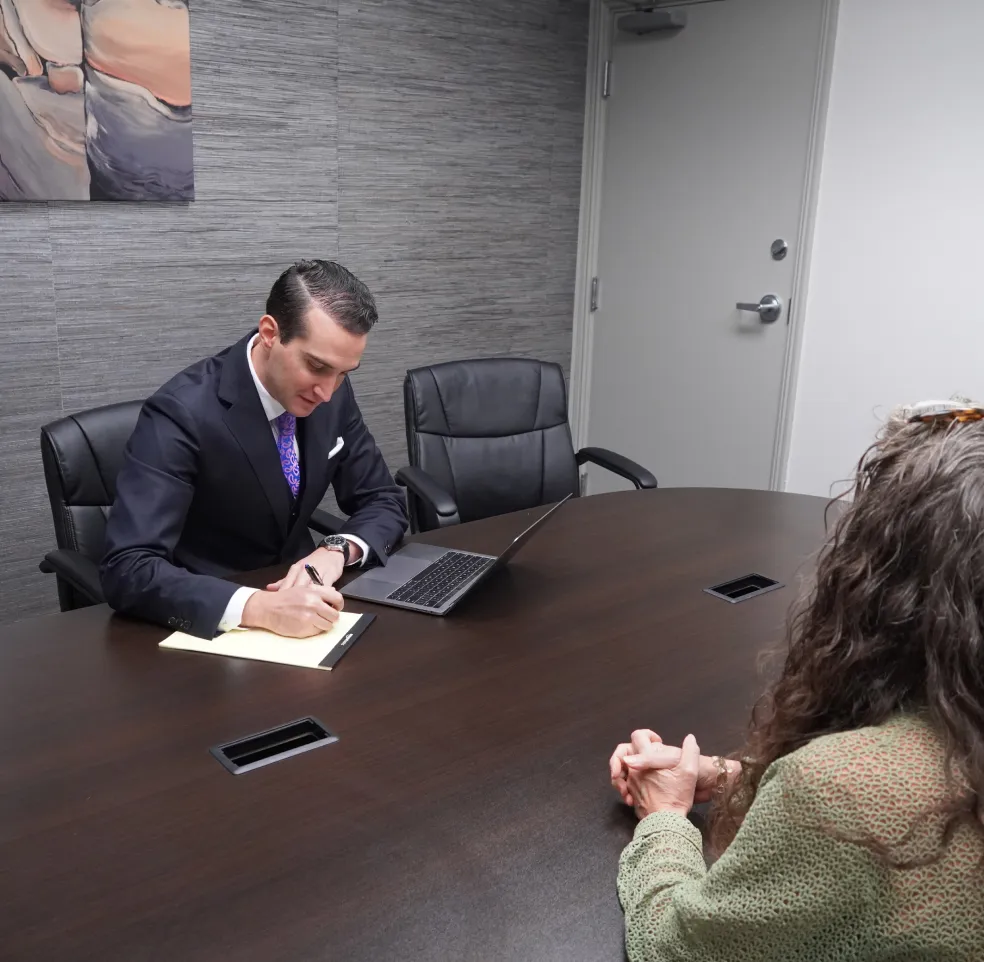
We will review your injury claim at no cost and explain your options clearly. The goal is to help you protect your health, your claim, and your financial recovery after a serious accident or injury.

Contact us
Our team is standing by to help you.