
Salt Lake City Pedestrian Accident Lawyer for Injury Claims
Hit by a car in Salt Lake City? Our pedestrian accident lawyers fight for your rights and pursue maximum compensation.

These cases often depend on crosswalk rules, signal timing, what the driver could see, available video, insurance coverage, and shared fault. A pedestrian injury attorney can request evidence and respond when the driver tries to shift blame.
Strong Law serves clients throughout Salt Lake City and Salt Lake County from our nearby Utah office in Midvale, including people injured downtown, in Sugar House, Rose Park, Ballpark, Liberty Wells, the Avenues, and nearby communities.
If you were hit while walking, Strong Law can review your case for free. You do not pay attorney fees unless we recover compensation for you. For broader injury questions, our Salt Lake City personal injury lawyer page explains the general claim process.
Do You Need a Lawyer After Being Hit While Walking?
You may need a lawyer if the crash caused medical treatment, missed work, lasting pain, or a dispute with the driver or insurance company. Legal help can also matter when the driver left the scene, a company vehicle was involved, or a public road or signal problem may have played a role.
Consider speaking with a lawyer if:
- You were taken to the emergency room or hospital
- You have a head, back, spine, hip, knee, or nerve injury
- You needed surgery, imaging, therapy, or specialist care
- The driver or insurer says you entered traffic suddenly
- You were outside a marked crosswalk
- The driver was uninsured, underinsured, or left the scene
- You missed work or may not return to the same job
Insurance adjusters may call before the full injury is clear. They may ask for a recorded statement, question where you crossed, or push for a fast settlement. A lawyer can preserve evidence and keep the insurance company from controlling the story.
What Makes Pedestrian Accidents in Salt Lake City Different?
Salt Lake City has many places where people walking share space with fast traffic, turning vehicles, buses, delivery drivers, bicycles, scooters, and activity near TRAX stations and crossings. The evidence in a downtown crosswalk crash can look very different from the evidence in a parking-lot collision or a nighttime crash on a wide arterial road.
Pedestrian crashes may happen near State Street, 400 South, 700 East, 900 South, North Temple, Redwood Road, Foothill Drive, downtown intersections, school zones, apartment entrances, and commercial parking lots. Winter weather, early darkness, snowbanks, glare, and poor visibility can also make people harder to see.
Many crashes happen when a driver turns through a crosswalk, backs out of a parking space, crosses a sidewalk from a driveway, runs a light, or speeds through a school zone. Downtown delivery traffic, rideshare pickups, work zones, and TRAX crossings add other risks.
A person can also be hit outside a marked crosswalk. That does not automatically end the claim. Lighting, traffic speed, driver attention, sight distance, and the pedestrian’s movement all matter.
Salt Lake City publishes a Vision Zero serious-crash map and pedestrian crash dashboard that track city safety trends. In one person’s claim, though, the key questions are where the person was walking, what the driver could see, what the signals showed, and what evidence still exists.

Contents
What Do Utah Crosswalk and Right-of-Way Laws Require?
Utah law gives both drivers and pedestrians duties. Utah Code § 41-6a-1002 generally requires a driver to yield by slowing or stopping when needed for a pedestrian crossing within a crosswalk under the conditions listed in the law. The same section says a pedestrian should not suddenly step into the path of a vehicle that is too close to stop safely.
Utah Code § 41-6a-1003 generally requires a pedestrian crossing outside a marked or unmarked crosswalk to yield to vehicles. But Utah Code § 41-6a-1006 still requires drivers to use care to avoid hitting pedestrians and to use added caution around children and certain vulnerable people.
These laws do not decide a case by themselves. Video, signal timing, speed, witness statements, vehicle damage, and the driver’s chance to react may all matter.
Can You Recover If You Were Outside a Crosswalk?
Yes, you may still be able to recover compensation. Crossing outside a crosswalk can become part of a fault dispute, but it does not automatically excuse a speeding, distracted, impaired, or inattentive driver.
Utah uses comparative fault. Under Utah Code § 78B-5-818, an injured person may recover when the combined fault assigned to the defendants and other responsible parties is greater than the injured person’s own fault. Any recovery can then be reduced by the injured person’s percentage of fault.
Strong Law looks beyond the crosswalk location. We review when the pedestrian entered the road, the vehicle’s distance and speed, lighting, phone use, and whether the driver tried to avoid the crash.
How Do Insurance Companies Try to Blame Pedestrians?
Insurance companies often look for ways to place part or all of the blame on the person who was hit. An adjuster may claim the pedestrian crossed outside a crosswalk, entered traffic suddenly, ignored a signal, wore dark clothing, used a phone, or was hard to see.
The insurer may also argue that treatment started too late, later symptoms are unrelated, or the person already had the same injury. Those claims can lower a settlement if they are not answered with evidence.
Photos, video, signal records, witness statements, medical records, and a clear timeline can help show what happened. The insurance company’s first version of the crash is not the final decision.
Who May Be Responsible for a Pedestrian Accident?
The driver is often the first focus, but other parties may matter. An employer may be responsible when a delivery driver, service technician, truck driver, or other employee caused the crash while working. Rideshare and delivery cases can also raise coverage questions based on what the driver was doing at the time.
A contractor may be involved when a work zone blocks sight lines or fails to guide pedestrians safely. A public entity may matter in limited cases involving a public vehicle, traffic signal, crosswalk, or government-controlled road condition.
A city or property owner is not automatically responsible because of where the crash happened. The evidence must show who controlled the condition and how it helped cause the injury.

What Evidence Helps Prove a Pedestrian Injury Claim?
A strong pedestrian claim shows where the person was walking, what the driver did, how the impact happened, and how the injuries changed the person’s life.
Useful evidence may include:
- Police and crash reports
- Photos of the roadway, crosswalk, signals, signs, lighting, and sight lines
- Business, apartment, doorbell, transit, or traffic-camera footage
- Dashcam video and vehicle event data
- Pedestrian-signal and traffic-signal timing
- Witness names and statements
- Vehicle damage and the point of impact
- Cell phone or app evidence when distraction is disputed
- Emergency records, medical imaging, treatment notes, bills, and wage records
Nearby businesses may record over video within days, vehicles may be repaired, and witnesses become harder to locate. Early preservation can make a major difference.
How Do Utah PIP and Hit-and-Run Coverage Work?
Utah law may make Personal Injury Protection benefits, often called PIP, available when a pedestrian is injured in an accident involving an insured vehicle. PIP may help with certain early medical expenses and covered losses. Which policy applies depends on the vehicles, policies, and people involved. You can review the applicable coverage rules in Utah Code § 31A-22-308.
PIP may not cover the full loss from a serious injury, so a separate claim against the at-fault driver may still be needed.
If the driver leaves the scene, report the crash right away. Witnesses, cameras, vehicle fragments, and license-plate information may help identify the driver. If the driver is not found or has no insurance, uninsured-motorist coverage may be available under a policy that covers the injured person, depending on the policy terms and the facts. Utah’s uninsured-motorist rules are addressed in Utah Code § 31A-22-305.
A hit-and-run does not always mean there is no claim. Strong Law can review the available policies and possible sources of coverage. Our Salt Lake City car accident page explains more about Utah motor-vehicle insurance issues that may overlap with a pedestrian claim.
What Injuries and Compensation Can a Pedestrian Claim Include?
Pedestrians can suffer concussions, traumatic brain injuries, facial wounds, broken arms or legs, pelvic fractures, spine injuries, internal injuries, nerve damage, scarring, and permanent loss of movement.
A person may need surgery, rehabilitation, mobility equipment, or long-term care. Head trauma may require help from a Salt Lake City brain injury lawyer. Permanent disability may require the deeper future-damages work used in a catastrophic injury claim.
Compensation may include:
- Emergency, hospital, surgical, and rehabilitation costs
- Future medical care, therapy, medication, and medical equipment
- Lost wages and reduced earning ability
- Pain and suffering and emotional distress
- Scarring, disfigurement, and permanent impairment
- Out-of-pocket transportation and household costs
If a pedestrian dies from the crash, the family may need help with a Salt Lake City wrongful death claim. Fatal cases involve different damages, deadlines, and claimants.
We’ve helped thousands of accident victims like you
we win
98%
4.9
stars
over
2,000


“Very professional, and treated me as an equal.”
"Just wanted to say thank you to Jed and his team at Strong Law. Not only was I happy with the outcome, but the entire process as a whole. I would definitely recommend this firm to anyone. Thanks again."
“Unbelievable work!”
"I had a claim involving my own insurance company. I tried to negotiate with them, and they completely denied my claim – two times. I then hired Strong Law, and the change was instant. The insurance company immediately began negotiating, and Jed was able to secure an unbelievably good settlement. I will never again attempt to take-on an insurance company without Strong Law in my corner. Thank you!"
“I got justice and awesome compensation.”
"I hired Strong Law after my car accident. Jed and his team worked hard on my case. They were professional and compassionate through my surgery and as I recovered, and they were awesome on communication. I got justice and awesome compensation. I would recommend Strong Law to anyone in my situation."
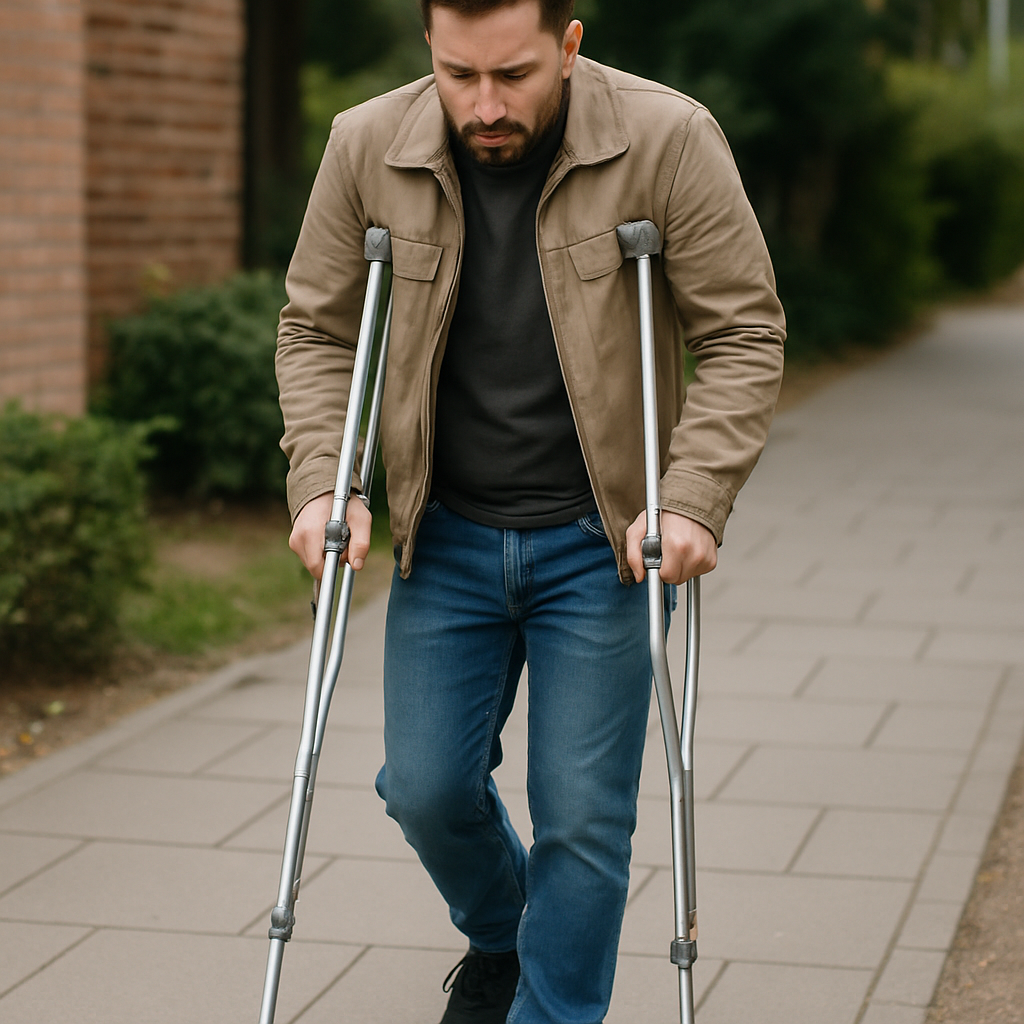
What Should You Do After a Pedestrian Accident in Salt Lake City?
Your health comes first. After that, the steps you take can help preserve the claim.
- Get medical care. Call 911 or seek prompt treatment, even if some symptoms seem mild.
- Report the crash. Ask law enforcement to document the driver, witnesses, location, and injuries.
- Photograph the scene. Capture the crosswalk, signals, lanes, signs, lighting, vehicle, and visible injuries.
- Get witness information. Do not rely only on the police report to preserve names and phone numbers.
- Save damaged items. Keep clothing, shoes, glasses, a phone, or other property in its post-crash condition.
- Note nearby cameras. Look for stores, apartments, homes, buses, TRAX stations, and intersections with video.
- Follow medical advice and track the impact. Record appointments, missed work, pain, mobility limits, and daily help.
- Be careful with adjusters. Do not guess about speed, distance, or fault in a recorded statement.
- Get legal advice early. A free review can help identify coverage, deadlines, and evidence to preserve.
How Long Do You Have to File a Utah Pedestrian Accident Claim?
Many Utah pedestrian injury lawsuits are generally subject to a four-year filing deadline under Utah Code § 78B-2-307. But not every claim follows the same timeline, and insurance-policy deadlines may also matter.
If a city, public employee, public vehicle, traffic signal, crosswalk design, or government-controlled road condition may be involved, Utah’s Governmental Immunity Act may require a notice of claim within one year. A notice deadline is not the same as the final lawsuit deadline, and other steps may also apply. The notice requirement is addressed in Utah Code § 63G-7-402.
Waiting is risky even when the general deadline appears longer. Signal records, camera footage, witness memories, and vehicle data are easier to secure soon after the crash.
Why Choose Strong Law for a Salt Lake City Pedestrian Claim?
Strong Law focuses on injury claims and understands how insurers evaluate fault, medical treatment, future care, and settlement value. Before representing injured people, attorney Jed Strong worked as in-house counsel for GEICO. That experience helps our team recognize blame-shifting, low offers, and broad medical requests.
Our Utah office is in Midvale and serves clients throughout Salt Lake City and Salt Lake County. Strong Law has handled more than 2,000 successful cases across its offices. Our Midvale office has a 4.8-star Google rating from 162 reviews.
We build the case around what happened. A person hit in a downtown crosswalk, a child struck in a school zone, someone backed over in a Sugar House parking lot, and a pedestrian injured near a TRAX station or crossing do not need the same evidence.
Strong Law offers free case reviews and contingency-fee representation. There are no upfront attorney fees or hourly bills. The exact fee is explained before you hire the firm, and you do not pay attorney fees unless compensation is recovered.
When Should You Call a Salt Lake City Pedestrian Accident Lawyer?
Call as soon as possible when the crash caused medical treatment, the driver disputes fault, the insurer is asking questions, or video may disappear.
Early help is especially important when the driver left the scene, a company vehicle was involved, you were outside a crosswalk, a child or older adult was hurt, or the injuries may affect work and independence for years.
Frequently Asked Questions About Salt Lake City Pedestrian Accident Claims
What does a Salt Lake City pedestrian accident lawyer do?
A pedestrian accident lawyer investigates the crash, gathers video and signal evidence, identifies responsible parties, handles insurers, documents losses, negotiates a settlement, and files a lawsuit when needed.
Is the driver always at fault when a pedestrian is hit?
No. Drivers often cause pedestrian crashes by speeding, failing to yield, turning without checking a crosswalk, or driving while distracted. But fault depends on the evidence. The pedestrian’s location, signal, movement, visibility, and actions may also be reviewed under Utah’s comparative-fault rules.
Can I recover if I was outside a crosswalk?
Possibly. A pedestrian outside a crosswalk generally has a duty to yield, but the driver may still share or carry most of the fault. Utah comparative-fault rules can reduce compensation based on the pedestrian’s assigned share.
Does Utah PIP cover injured pedestrians?
PIP may cover certain pedestrians injured in Utah motor-vehicle accidents. Which policy applies and what benefits are available depend on the vehicles, policies, and people involved.
What if the driver left the scene?
Report the crash immediately and preserve witness and video evidence. If the driver cannot be found, uninsured-motorist coverage may be available under a policy that covers the injured person, depending on the policy and facts.
What is my pedestrian accident claim worth?
Value depends on the injuries, medical expenses, future care, lost income, pain, disability, insurance coverage, and fault disputes. A serious claim should not be valued before the long-term medical picture is clear.
How long do I have to file a pedestrian claim in Utah?
Many Utah injury lawsuits generally have a four-year deadline, but government claims and insurance claims may involve shorter or different requirements. Speak with a lawyer early so the correct deadlines are identified.
How much does a pedestrian accident lawyer cost?
Strong Law handles pedestrian injury cases on a contingency fee basis. There are no upfront attorney fees or hourly bills. You do not pay attorney fees unless compensation is recovered.
Where is Strong Law’s Utah office?
Strong Law’s Utah office is in Midvale. From that office, we serve clients throughout Salt Lake City, Salt Lake County, and nearby Utah communities.
Speak With a Salt Lake City Pedestrian Accident Lawyer Today
A pedestrian crash can leave you facing serious injuries, lost income, insurance pressure, and fault questions. Strong Law can investigate the collision, preserve evidence, review coverage, and protect your claim.
Contact Strong Law Accident & Injury Attorneys for a free case review. You do not pay attorney fees unless we recover compensation for you.
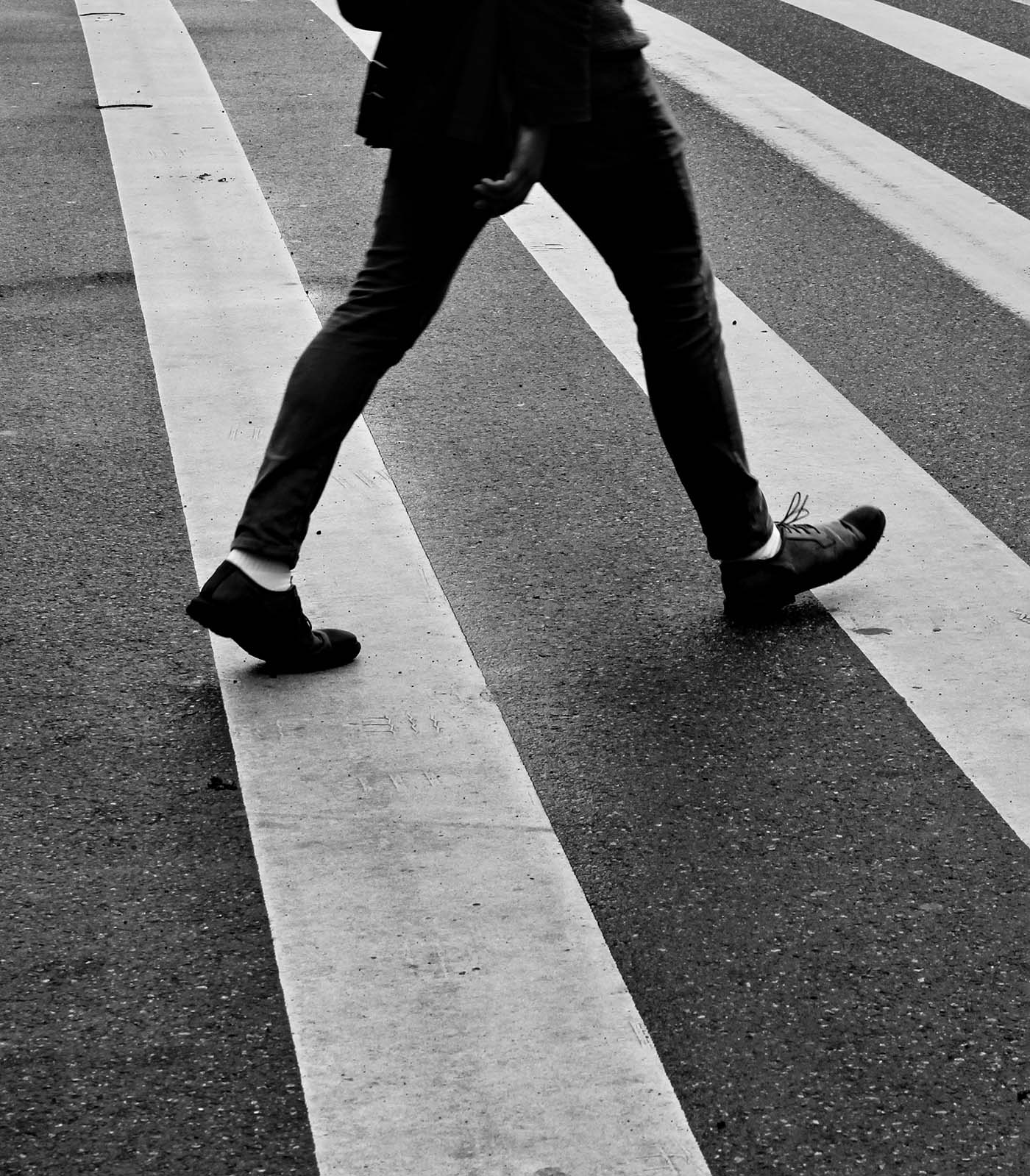
How Strong Law will handle your case
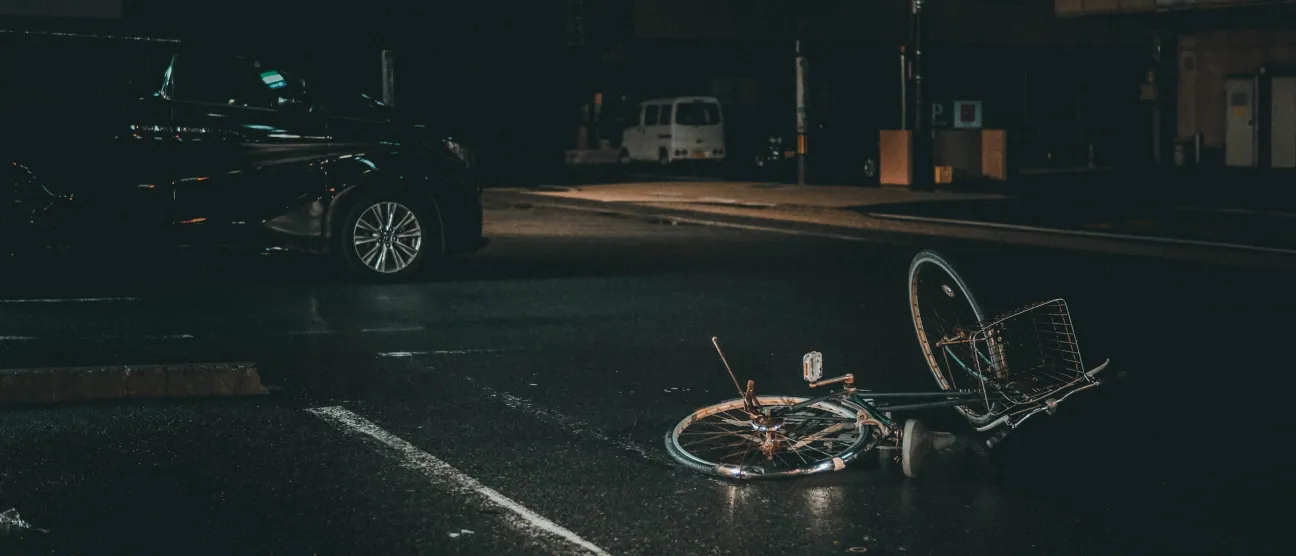
We review reports, photos, witness statements, medical records, insurance letters, and other evidence to understand what happened and who may be responsible.
We review medical bills, lost income, future care, pain and suffering, property damage when applicable, and other losses tied to the claim.
We handle communication with insurers and push back against low offers, delays, and attempts to shift blame.
If the insurance company refuses to make a fair offer, we can file a lawsuit and prepare the case for court.
Insider experience
We Know How Insurance Companies Operate
Before founding Strong Law, attorney Jed worked as in-house counsel for GEICO, defending insurance companies in accident and injury claims. That experience helps our team understand how insurers evaluate claims, dispute injuries, and decide when to settle. We use that knowledge to build stronger claims for injured people.

No upfront fees
Zero Cost Unless You Win
You owe us nothing unless we recover compensation for you. There is no obligation to hire us after your consultation and no hidden attorney fees along the way.

First-Class Service
Legal Support That Goes Beyond the Basics
Our team does more than process paperwork. We answer your questions, explain your options, track important deadlines, and help you understand each step of the injury claim.

Start here
Get Your Free Case Evaluation Today
We will review your injury claim at no cost and explain your options clearly. The goal is to help you protect your health, your claim, and your financial recovery after a serious accident or injury.

Contact us
Our team is standing by to help you.