

When a Water Park Ride or Slide Causes a Serious Injury in Utah Who May Be Liable

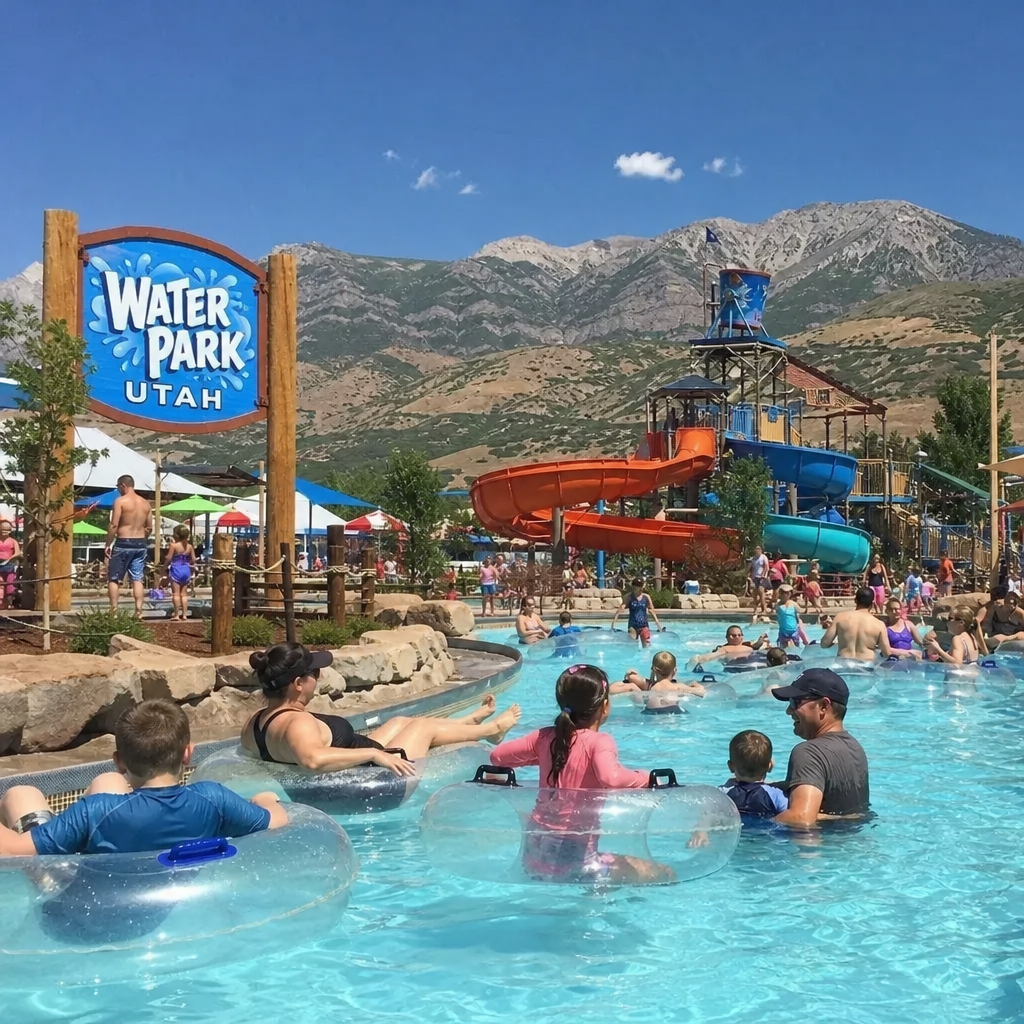
A water park injury in Utah may become a legal claim when someone is seriously hurt because the park, staff, equipment, or property was not reasonably safe. That can include poor supervision, broken equipment, unclear safety rules, unsafe walkways, negligent ride operation, or failure to maintain a slide or pool area.
Most bumps and bruises at a water park do not lead to a lawsuit. But when a child or adult suffers a brain injury, spinal injury, broken bone, near-drowning injury, or other serious harm, the facts deserve a closer look.
Water parks are built for fun, not lawsuits. Families go to wave pools, lazy rivers, splash pads, and water slides expecting a safe day out. But water, height, speed, crowds, and mechanical equipment can create real hazards when safety systems fail.
A past Provo water park incident shows why these cases can matter. KUTV reported that a 13-year-old girl was severely injured on a water slide at Seven Peaks in Provo after shooting nose-first into a wall at the bottom of the slide. According to the report, she needed reconstructive surgery and suffered a traumatic brain injury.
That kind of injury can leave a family with urgent questions. Was the slide properly maintained? Were staff following safety rules? Were warnings clear? Did the park preserve video or incident records?
For families facing serious injuries in Salt Lake County, Utah County, or elsewhere in the state, Strong Law Accident & Injury Attorneys handles these cases as part of its broader Utah personal injury practice, including claims involving unsafe property conditions, traumatic brain injuries, and catastrophic harm.
When Is a Water Park Injury More Than an Accident?
Not every water park injury means someone was negligent. Some injuries happen even when a park takes reasonable safety steps.
But an injury may deserve legal review when there are signs that the park, staff, owner, operator, or another party failed to act safely.
A water park injury may involve negligence if:
- Staff failed to enforce posted safety rules
- A slide or ride was used despite known problems
- A lifeguard was distracted, absent, or poorly positioned
- The park failed to warn guests about a known hazard
- A walking surface was more dangerous than guests should expect
- The slide or pool area lacked proper padding, barriers, or runoff space
- Guests were sent down a slide too close together
- Equipment was broken, loose, cracked, worn, or poorly maintained
- A child was allowed onto a ride that was not safe for their size or age
- Emergency response was delayed after a serious injury
The question is not just, “Did someone get hurt?” The better question is, “Was there a preventable safety failure that caused the injury?”
Why Water Park Injury Claims Can Be Complicated
Water park cases often involve more than one issue. A serious injury may involve unsafe property conditions, staff conduct, equipment problems, unclear instructions, or poor emergency response.
Common issues include:
- Wet walkways
- Crowded pools or slide exits
- Water depth problems
- Poor lifeguard placement
- Unsafe slide speed
- Defective ride parts
- Broken mats, tubes, stairs, or handrails
- Inadequate warnings
- Chemical exposure
- Failure to enforce height, weight, or rider-position rules
This is why evidence matters. A guest may know they were hurt, but not know exactly why it happened. The park may say the guest assumed the risk. The insurance company may blame the injured person or the parents.
The strongest claims are usually built on facts, records, photos, video, and medical documentation.

Who May Be Liable for a Utah Water Park Injury?
Several parties may be responsible after a serious water park injury, depending on what caused the accident.
Water Park Owners and Operators
The owner or operator is often the first party reviewed. Water parks generally have a duty to take reasonable steps to keep guests safe.
That can include:
- Maintaining the property
- Training employees
- Inspecting attractions
- Posting clear rules
- Enforcing safety procedures
- Responding quickly when someone is hurt
Potential owner or operator issues may include poor maintenance, unsafe walkways, missing warnings, inadequate staffing, or failure to close a dangerous attraction.
These issues can overlap with premises liability. Strong Law’s Salt Lake City slip and fall injury lawyer page explains more about unsafe property conditions and how property owners may be held responsible when dangerous conditions cause injuries.
Employees, Lifeguards, and Supervisors
Staff conduct can also matter. Lifeguards and ride attendants may be responsible for watching guest behavior, enforcing rules, controlling spacing between riders, and responding to emergencies.
A staff-related claim may involve:
- Not watching the slide exit or pool area
- Letting riders enter too close together
- Failing to stop unsafe behavior
- Giving unclear instructions
- Ignoring guest complaints
- Delaying emergency care
- Failing to document the incident correctly
Ride, Slide, or Equipment Manufacturers
Some injuries may involve a defective slide, tube, mat, railing, pump, restraint, or other product. If a design or manufacturing problem contributed to the injury, the manufacturer or distributor may need to be investigated.
Possible product issues include:
- Unsafe slide design
- Defective ride parts
- Poor water-flow control
- Inadequate warning labels
- Confusing rider-position instructions
- Equipment that fails during normal use
Maintenance or Inspection Companies
Some parks use outside vendors for inspections, repairs, installation, or maintenance. If a third party missed a hazard or performed unsafe work, that company may share responsibility.
This can matter when the issue involves failed repairs, missed inspection problems, improper installation, incomplete maintenance records, or repeat complaints that were not fixed.
For injuries in Utah County, these issues may also connect to a broader Provo premises liability claim, especially when the injury happened because a business failed to keep its property reasonably safe.

Utah Water Park Safety Rules Can Be Complicated
Utah has an Amusement Ride Safety Program. UDOT says the program was created through a 2019 law to set safety standards for amusement rides, approve qualified safety inspectors, require annual in-person inspections of covered rides, and require annual permits for covered rides.
Still, not every water attraction is handled the same way. A water park injury may involve state rules, local health rules, park policies, manufacturer instructions, inspection records, and industry safety standards.
In plain English: the fact that a park was open does not automatically prove it was safe. And the fact that someone signed a waiver does not automatically protect the park.
Do Water Park Waivers Prevent Injury Claims?
A waiver can affect a Utah water park injury claim, but it does not automatically end the case.
Many water parks use tickets, signs, online checkboxes, membership agreements, or posted disclaimers to warn guests about risk. Those documents may become part of the case.
The key point is simple: a waiver can matter, but it does not excuse every unsafe act.
Questions that may matter include:
- Was the waiver clear?
- Was the injured person an adult or a child?
- Did the waiver mention the risk that caused the injury?
- Was the injury caused by a normal risk or a preventable safety failure?
- Did the park follow its own rules?
- Was there evidence of extreme or reckless safety failures?
- Did the guest have a fair chance to understand what they were agreeing to?
For example, a park may argue that slipping near a pool is a known risk. But that argument may be weaker if the fall happened because of broken drainage, unsafe flooring, poor lighting, missing mats, or a hazard the park knew about and failed to fix.
 W
W
What Evidence Matters After a Water Park Injury?
Evidence can disappear quickly at a water park. Water is cleaned up. Equipment is moved. Surveillance video may be overwritten. Employees’ memories fade. Maintenance records can be hard for a family to get without legal help.
Important evidence may include:
- Photos or video of the slide, pool, walkway, stairs, or ride area
- Photos of warning signs, posted rules, height markers, and ride instructions
- The park’s incident report
- Witness names and contact information
- Names or descriptions of staff members present
- Lifeguard positioning at the time of injury
- Surveillance footage
- Ride inspection records
- Maintenance logs
- Prior complaints or similar incidents
- Manufacturer manuals and safety instructions
- Emergency response records
- Medical records, imaging, bills, and follow-up instructions
- Photos of visible injuries over time
- Clothing, shoes, tubes, mats, or other items involved in the incident
Families should not rely only on what the park says happened. If the injury is serious, evidence should be preserved as early as possible.
This is especially important when the injury may become a Salt Lake City catastrophic injury claim. Long-term treatment, therapy, disability, and lost earning ability may not be clear right away.
Why Child Injuries and Brain Injuries Need Extra Care
Water park injuries involving children deserve special attention. Children may not be able to explain exactly what happened. They may also minimize pain because they are scared, embarrassed, or confused.
Head injuries are especially important. A child may seem “okay” at first but later show signs of a concussion or traumatic brain injury.
Watch for symptoms such as:
- Headache
- Vomiting
- Dizziness
- Confusion
- Mood changes
- Sleep problems
- Memory issues
- Trouble focusing
- Sensitivity to light or sound
- Balance problems
- Changes in school performance
The KUTV Seven Peaks report is a strong example of why head injuries should not be taken lightly. The reported injury involved reconstructive surgery and a traumatic brain injury after a water slide incident.
For legal purposes, families should document symptoms from the beginning. A journal, medical records, school notes, therapy records, and specialist evaluations may all help show how the injury changed the child’s life.
If a water park injury causes a concussion, traumatic brain injury, memory problems, personality changes, or long-term neurological symptoms, Strong Law’s Utah brain injury lawyers can help families understand what evidence may be needed to prove the full impact of the injury.
What Compensation May Be Available After a Serious Water Park Injury?
Compensation depends on the facts, the injury, the available insurance, and the proof of fault.
A serious Utah water park injury claim may include compensation for:
- Emergency medical care
- Hospital bills
- Surgery
- Imaging and diagnostic testing
- Physical therapy
- Occupational therapy
- Brain injury treatment
- Counseling or mental health care
- Future medical care
- Lost income
- Lost earning ability
- Parent time missed from work
- Pain and suffering
- Scarring or disfigurement
- Disability
- Loss of enjoyment of life
For serious child injuries, future care can be a major part of the claim. A settlement should not be rushed before doctors understand the long-term impact.
How Utah’s Shared-Fault Rule Can Affect a Water Park Injury Claim
Utah uses a shared-fault rule. Utah Code § 78B-5-818 says a person’s fault does not automatically bar recovery, but recovery can depend on how fault is divided between the injured person and the defendant or defendants.
In water park cases, an insurance company may argue that the injured person:
- Ignored posted rules
- Ran on a wet surface
- Used the slide incorrectly
- Failed to supervise a child
- Entered a restricted area
- Assumed the risk of injury
Those arguments do not automatically defeat a claim. They do mean the evidence matters. Photos, witnesses, video, safety rules, staff conduct, and maintenance records can help show whether the park’s conduct played a larger role than the guest’s actions.

How Long Do You Have to File a Water Park Injury Claim in Utah?
The deadline depends on the type of claim. Many Utah injury claims have a four-year filing period under Utah Code § 78B-2-307. Fatal injury claims, government-related claims, and claims involving special notice rules may have different or shorter deadlines.
Do not wait until the deadline is close. Water park cases can take time to investigate. Video can be erased, witnesses can become harder to find, and maintenance records may need to be requested before they disappear.
What Should You Do After a Serious Water Park Injury?
After a serious injury at a water park, take these steps as soon as possible:
- Get medical care right away. Do not assume a head, neck, back, or internal injury is minor.
- Report the incident to park management. Ask for the incident report number or a copy if available.
- Take photos and videos. Capture the ride, slide, pool, walkway, warning signs, staff location, lighting, water level, and any visible hazard.
- Get witness information. Names, phone numbers, and short statements can matter later.
- Save everything. Keep wristbands, tickets, online receipts, emails, photos, clothing, footwear, tubes, mats, or other items tied to the incident.
- Do not sign a broad release. The park or insurer may ask for paperwork before the full injury is known.
- Track symptoms and treatment. Keep a record of pain, headaches, dizziness, sleep problems, missed work, missed school, and doctor visits.
- Speak with a Utah injury lawyer before settling. This is especially important if the injury involves a child, brain injury, spinal injury, surgery, or long-term care.
When Should You Call a Utah Water Park Injury Lawyer?
You may not need a lawyer for a minor scrape or bruise. But it is wise to get legal guidance after a water park injury if:
- A child was seriously injured
- The injury involved a concussion or traumatic brain injury
- Someone needed emergency care or surgery
- The park blamed you or your child
- The park refused to provide an incident report
- There were no clear warnings
- A ride, slide, mat, tube, or railing appeared defective
- A lifeguard or employee failed to respond quickly
- The insurance company wants a recorded statement
- You are being pushed to settle before treatment is complete
Strong Law Accident & Injury Attorneys helps injured people and families understand what happened, preserve evidence, deal with insurance companies, and pursue full compensation when negligence causes serious harm.
For families in Salt Lake City, Salt Lake County, Provo, Utah County, and surrounding communities, Strong Law’s Salt Lake City personal injury lawyers can review serious injury claims involving unsafe property conditions, amusement attractions, pools, water slides, and other preventable hazards.
Utah Water Park Injury FAQs
Can I sue a water park in Utah if I signed a waiver?
Possibly. A waiver can affect the case, but it does not always prevent a claim. The wording of the waiver, the age of the injured person, the type of injury, and the conduct of the park all matter.
If the injury was caused by poor maintenance, defective equipment, unsafe staffing, unclear warnings, or reckless conduct, the waiver should be reviewed carefully.
Who may be responsible for a water slide injury?
Potentially responsible parties may include the water park owner, the park operator, employees, lifeguards, a ride manufacturer, a maintenance contractor, an inspection company, or another guest.
The answer depends on what caused the injury and what evidence exists.
What evidence should I save after a water park accident?
Save photos, videos, witness information, medical records, incident reports, receipts, tickets, waiver documents, clothing, shoes, and any communication from the park or insurance company.
If the injury happened on a slide or ride, video footage, maintenance records, inspection records, and staff statements may also be important.
What if my child hit their head on a water slide?
Get medical care immediately and watch for concussion or traumatic brain injury symptoms. Headaches, vomiting, dizziness, confusion, mood changes, sleep problems, memory issues, and school difficulties should be documented.
Child brain injuries can require follow-up care even when symptoms are not obvious right away. A Provo brain injury lawyer may also be able to help if the injury happened in Utah County.
How long do I have to file a Utah water park injury claim?
Many Utah injury claims have a four-year filing period, but fatal injury claims, government-related claims, and claims involving special notice rules may have different or shorter deadlines.
It is better to act early because video, witness information, and maintenance evidence can disappear long before the filing deadline.
Talk With a Utah Injury Lawyer After a Serious Water Park Accident
A serious water park injury can leave a family with medical bills, fear, unanswered questions, and pressure from an insurance company. Strong Law can help you understand whether the injury was truly unavoidable or whether unsafe conditions, poor supervision, defective equipment, or negligent operation played a role.
If you or your child was seriously injured at a water park, pool, slide, or amusement attraction in Utah, contact Strong Law Accident & Injury Attorneys for a free consultation. You pay no attorney fees unless we recover compensation for you.

See If Your Injury Claim May Qualify
Answer a few quick questions to help Strong Law understand what happened and whether your claim may qualify for a free review.
