

What a Fatal Salt Lake City Semi-Truck Crash Shows About Commercial Vehicle Liability

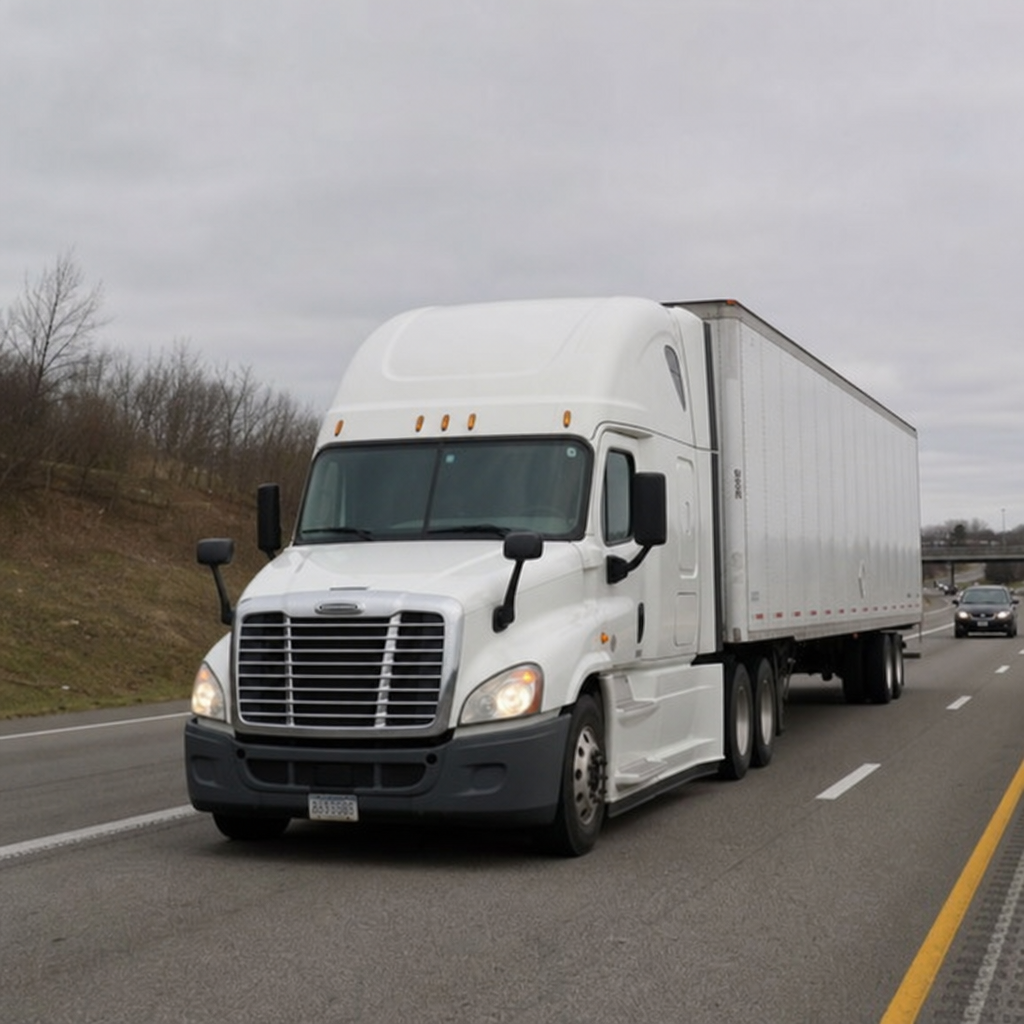
A tragic semi-truck crash in Salt Lake City has sparked discussions about commercial vehicle liability. This incident highlights the complexities of commercial vehicle insurance and liability.
Understanding these complexities is crucial for business owners and fleet managers. They need to protect their operations from financial losses.
Commercial vehicle liability is not just about insurance. It involves legal responsibilities and regulatory compliance.
The Salt Lake City crash serves as a stark reminder of these obligations. It underscores the importance of comprehensive business vehicle insurance.
Insurance policies for commercial vehicles differ from personal auto insurance. They cover unique risks associated with business operations.
Determining fault in commercial vehicle accidents can be complex. It involves assessing various factors and legal implications.
Regular vehicle maintenance and driver training are vital. They help prevent accidents and reduce liability risks.
The Salt Lake City Semi-Truck Crash: What Happened?
In the heart of Salt Lake City, a semi-truck accident turned fatal. The collision involved a semi-truck and several passenger vehicles. The consequences were devastating, with lives lost and severe injuries reported.
The accident occurred during peak traffic hours, causing major disruptions. Witnesses reported seeing the truck struggle to brake before the crash. The scene was chaotic, with emergency services responding swiftly.
The impact was significant, raising questions about what led to this tragedy. Initial investigations pointed to possible driver fatigue or mechanical failure. These are common issues that can lead to such catastrophic events.
In addition to individual impact, the crash highlighted broader concerns. There were questions around the safety measures in place for commercial vehicles. Each element is crucial in understanding the chain of events.
Key factors under investigation include:
- Driver’s rest and work schedule
- Truck’s maintenance records
- Road and weather conditions at the time of the crash

Understanding Commercial Vehicle Liability
Commercial vehicle liability is a key concern in accident cases. It encompasses legal responsibilities if a commercial vehicle causes harm. This liability ensures that injured parties receive compensation.
Businesses operating commercial vehicles must understand liability intricacies. These vehicles, unlike personal ones, involve complex legal frameworks. Business owners and operators must grasp these to avoid hefty penalties.
A key aspect is how liability is determined. Determining fault in commercial accidents often requires thorough investigation. This may include examining driver actions and vehicle conditions.
Important factors that contribute to liability include:
- Driver negligence or unsafe driving practices
- Vehicle maintenance and safety compliance
- Adherence to federal and state transport regulations
Understanding liability helps businesses mitigate legal risks. Liability awareness is crucial in preventing and addressing accidents effectively. Businesses can implement robust safety protocols as a preventive measure.
Being proactive with liability education safeguards businesses. It not only reduces legal exposure but also builds a safety-focused reputation. This liability knowledge becomes an asset in the heavily regulated transport industry.
The Role of Commercial Vehicle Insurance
Commercial vehicle insurance plays a critical role in protecting businesses. It covers financial losses from accidents involving commercial vehicles. This insurance is a safety net against unforeseen incidents.
Differences exist between commercial and personal vehicle insurance. Commercial insurance covers a broader scope, tailored to business needs. This includes coverage for employees, liability, and cargo damage.
Understanding the components of this insurance is vital. Typically, policies cover:
- Liability for bodily injury and property damage
- Collision and comprehensive damage repairs
- Medical payments for injuries
- Uninsured motorist protection
Such comprehensive coverage shields companies from significant financial strain. In the aftermath of accidents, this insurance supports business continuity. It alleviates the burden of legal claims and repair costs.
Insurance providers assess claims carefully, evaluating accident details. Proper coverage selection ensures adequate financial protection. Businesses must communicate with insurers to comprehend policy specifics.
Ultimately, robust insurance packages foster operational stability. It offers confidence to commercial vehicle operators, knowing they’re covered. Therefore, selecting an appropriate policy should be a priority.

Legal Responsibilities After a Semi-Truck Accident
In the wake of a semi-truck accident, legal responsibilities loom large. Prompt action is imperative for all parties involved. Ensuring safety and notifying authorities forms the first step.
Commercial vehicle operators have specific duties post-accident. They must report the incident to their company immediately. Documentation of the scene helps protect against legal claims.
Businesses, too, hold responsibilities in these events. Swift coordination with insurance providers is crucial. Ensuring accurate and thorough documentation can prevent legal mishaps.
Key responsibilities include:
- Reporting the accident to law enforcement
- Providing accurate information about the incident
- Collaborating with insurers and legal advisors
- Maintaining detailed records of the accident and related communications
Understanding these responsibilities helps companies navigate the aftermath effectively. Engaging with legal experts can prevent costly litigation. Compliance ensures that operators fulfill all necessary legal obligations.
Companies should also educate drivers about their duties during accidents. Well-prepared drivers can reduce liabilities. Ultimately, preparation and awareness fortify legal defenses after accidents.
Determining Fault in Commercial Vehicle Accidents
Determining fault in commercial vehicle accidents involves several layers of investigation. Each accident is unique, requiring a tailored approach. The process begins at the accident scene.
Evidence collection is crucial. Photos, eyewitness accounts, and police reports provide valuable insights. These elements help reconstruct the event sequence.
Insurance adjusters play a pivotal role in this process. They analyze the evidence meticulously. Their goal is to determine liability in a fair and unbiased manner.
Factors that influence fault determination include:
- Traffic law violations by any party
- Road conditions and weather impact
- Driver actions and possible negligence
- Vehicle maintenance records
The involvement of specialized investigators can sometimes be necessary. Their expertise unravels complex details, offering a clear picture. Collaboration among all stakeholders ensures a comprehensive fault assessment.
Ultimately, accurate fault determination affects liability outcomes. It influences the direction of insurance claims and legal proceedings. A thorough investigation protects all involved parties from undeserved blame.
Common Causes of Semi-Truck Accidents and Liability Implications
Semi-truck accidents often result from a mix of factors. These crashes can impose significant liability on the parties involved. Recognizing their common causes is essential for prevention.
Poor driver decisions are frequent culprits. Fatigue, distraction, and improper judgment can lead to devastating outcomes. Inadequate training exacerbates these issues, increasing accident risks.
Mechanical failures also contribute significantly. A lapse in vehicle maintenance leads to unexpected breakdowns. These mechanical mishaps often hold operators accountable for negligence.
Environmental factors play a role too. Slippery roads and poor visibility challenge drivers. They demand heightened caution and adherence to safety protocols.
Typical causes include:
- Driver fatigue and inattention
- Insufficient driver training and experience
- Brake or tire failures
- Adverse weather conditions

Understanding these common causes assists in mitigating risks. Enhanced training and rigorous maintenance checks can reduce the occurrence of such accidents. Proactively addressing these factors lessens liability concerns for businesses.
How Business Vehicle Insurance Policies Work
Business vehicle insurance is crucial for protecting commercial fleets. It differs from personal auto insurance in key ways. Understanding its structure helps manage risk effectively.
These policies cover various potential losses. They’re designed to address damages from accidents involving commercial vehicles. Coverage includes liability, property damage, and more.
Common components of business vehicle insurance include:
- Liability Coverage: Protects against claims from third-party injuries or property damage.
- Collision Coverage: Covers repair costs for your vehicles after an accident.
- Comprehensive Coverage: Pays for non-collision-related damages like theft or natural disasters.
Insurance policies are tailored to specific needs. Factors like vehicle type and usage dictate premiums. More hazardous operations tend to incur higher costs.
To maximize protection, businesses must review policies regularly. Adjusting coverage ensures alignment with current operations. A thorough understanding of these policies helps safeguard against financial setbacks.
The Impact of Fatal Accidents on Insurance and Business Operations
Fatal accidents can profoundly affect a business, impacting both immediate operations and long-term stability. Companies must quickly assess the financial repercussions on insurance.
Insurance premiums are likely to rise sharply. Insurers view fatal incidents as substantial liabilities, leading to stricter policy terms. Businesses must prepare for these changes.
Operationally, a fatal accident can disrupt fleet efficiency. Vehicles may be out of service for legal or repair reasons, halting business activities. Planning for such disruptions is crucial.
To manage these impacts effectively, businesses should focus on:
- Reviewing Insurance Coverage: Ensure comprehensive coverage is in place.
- Implementing Safety Protocols: Prevent future incidents through training and maintenance.
- Consulting Experts: Seek legal and insurance advice for navigating post-accident challenges.
Understanding these consequences allows businesses to better navigate the aftermath of a fatal accident, ensuring continuity and resilience.
Regulatory Framework: Federal and State Oversight
Federal and state regulations play a vital role in governing commercial vehicle operations. These laws ensure safety and accountability for commercial fleets.
The Federal Motor Carrier Safety Administration (FMCSA) mandates compliance with safety standards. These include driver qualification, vehicle maintenance, and hours of service.
State laws complement federal guidelines. They may introduce additional requirements specific to local needs. Businesses must remain aware of these differences.
Key areas of regulatory oversight include:
- Safety Standards: Ensuring vehicles meet rigorous safety checks.
- Driver Compliance: Monitoring qualifications and training.
- Operational Limits: Regulating driving hours to prevent fatigue-related accidents.
Adhering to these regulations helps businesses avoid penalties and protects both drivers and the public.
Legal Defenses and Navigating Liability Claims
When a semi-truck accident occurs, companies often face liability claims. Legal defenses are crucial in these situations, providing a pathway to protect business interests.
Understanding potential defenses can help businesses navigate these claims effectively. This may involve proving the negligence of another party or highlighting unforeseen circumstances that led to the accident.
Common legal defenses include:
- Comparative Negligence: Demonstrating shared fault among multiple parties.
- Act of God: Identifying natural events beyond control.
- Mechanical Failure: Arguing equipment malfunction unrelated to negligence.
Employing these defenses requires a strategic approach. Legal expertise ensures that businesses present robust cases to minimize liability risks. Proper preparation and skilled legal representation are essential to achieving favorable outcomes in these complex cases.
Risk Mitigation: Preventing Commercial Vehicle Accidents
Preventing accidents is a top priority for businesses operating commercial vehicles. It involves proactive strategies aimed at reducing risks and enhancing safety.
Key measures include regular maintenance, comprehensive driver training, and adherence to safety protocols. These actions help minimize the likelihood of accidents.
Essential risk mitigation strategies are:
- Routine Vehicle Inspections: Ensuring vehicles are roadworthy.
- Driver Safety Programs: Enhancing driver skills and awareness.
- Adherence to Regulations: Complying with all legal requirements.
Investing in these strategies not only reduces accident rates but also lowers liability risks. Safe operations lead to fewer claims and protect a company’s reputation. Encouraging a culture of safety among employees fosters a secure and efficient working environment.
The Importance of Documentation and Record-Keeping
Accurate documentation is crucial in the aftermath of a vehicle accident. Records help streamline insurance claims and legal processes. Keeping detailed logs ensures that all parties have the necessary information.
Comprehensive records should include:
- Accident Reports: Detailed accounts of incidents.
- Maintenance Logs: Regular servicing records.
- Driver Logs: Hours and activities of drivers.
Proper documentation aids in faster claim resolutions and defends against liability claims. It also identifies accident trends, which assists in developing preventive measures. Consistent record-keeping supports organizational efficiency and compliance with regulations.
Public Perception, Media, and Business Reputation
The media can significantly impact a business’s reputation, especially after a fatal accident. How a company manages its public image affects customer trust and loyalty.
Key factors influencing public perception include:
- Transparency: Honest communication about the incident.
- Responsiveness: Swift action to address concerns.
- Accountability: Taking responsibility where appropriate.
Maintaining a positive reputation requires careful handling of media relations. Companies should prioritize openness and accountability to sustain public trust. A proactive approach to managing news coverage can mitigate negative fallout.
Future Trends in Commercial Vehicle Insurance and Liability
The landscape of commercial vehicle insurance is evolving. New technologies and regulations are reshaping how companies manage liability.
Emerging trends include:
- Telematics: Monitoring driver behavior in real time.
- AI Applications: Automating claims processing.
- Cybersecurity Measures: Protecting data from breaches.

by Maximalfocus (https://unsplash.com/@maximalfocus)
Telematics, for instance, offers detailed insights into driver actions, reducing risks. Insurance providers are harnessing artificial intelligence to streamline operations and improve customer service. As regulatory standards evolve, businesses must adapt by implementing robust cybersecurity protocols. Staying informed about these developments can help companies remain competitive and compliant in an ever-changing market.
Key Takeaways for Business Owners and Fleet Managers
Understanding commercial vehicle liability is crucial. It affects financial stability and legal standing. Being proactive can prevent severe consequences.
Essential steps include:
- Invest in Comprehensive Insurance: Protect against unexpected claims.
- Regular Training: Ensure drivers know safety protocols.
- Maintain Records: Keep accurate accident and vehicle maintenance details.
Business vehicle insurance isn’t just a necessity. It’s a strategic asset. By focusing on these areas, companies can mitigate risks and operate more smoothly. Proper planning and execution can save resources and enhance reputational value in a competitive landscape.
Conclusion: Lessons from the Salt Lake City Crash
The fatal semi-truck crash in Salt Lake City highlights vital lessons about commercial vehicle liability. Businesses need to recognize the importance of comprehensive vehicle insurance and detailed liability coverage. These elements are not just about financial protection; they serve as a backbone for legal and operational security.
Taking proactive safety measures, investing in thorough training, and maintaining clear documentation are essential steps. They help safeguard businesses from the complex challenges that arise in the wake of such accidents. Preparedness can significantly minimize risks and enhance business stability.

See If Your Injury Claim May Qualify
Answer a few quick questions to help Strong Law understand what happened and whether your claim may qualify for a free review.
