

Everett’s SR 99 Pedestrian Crash Problem: What Injury Victims Should Know

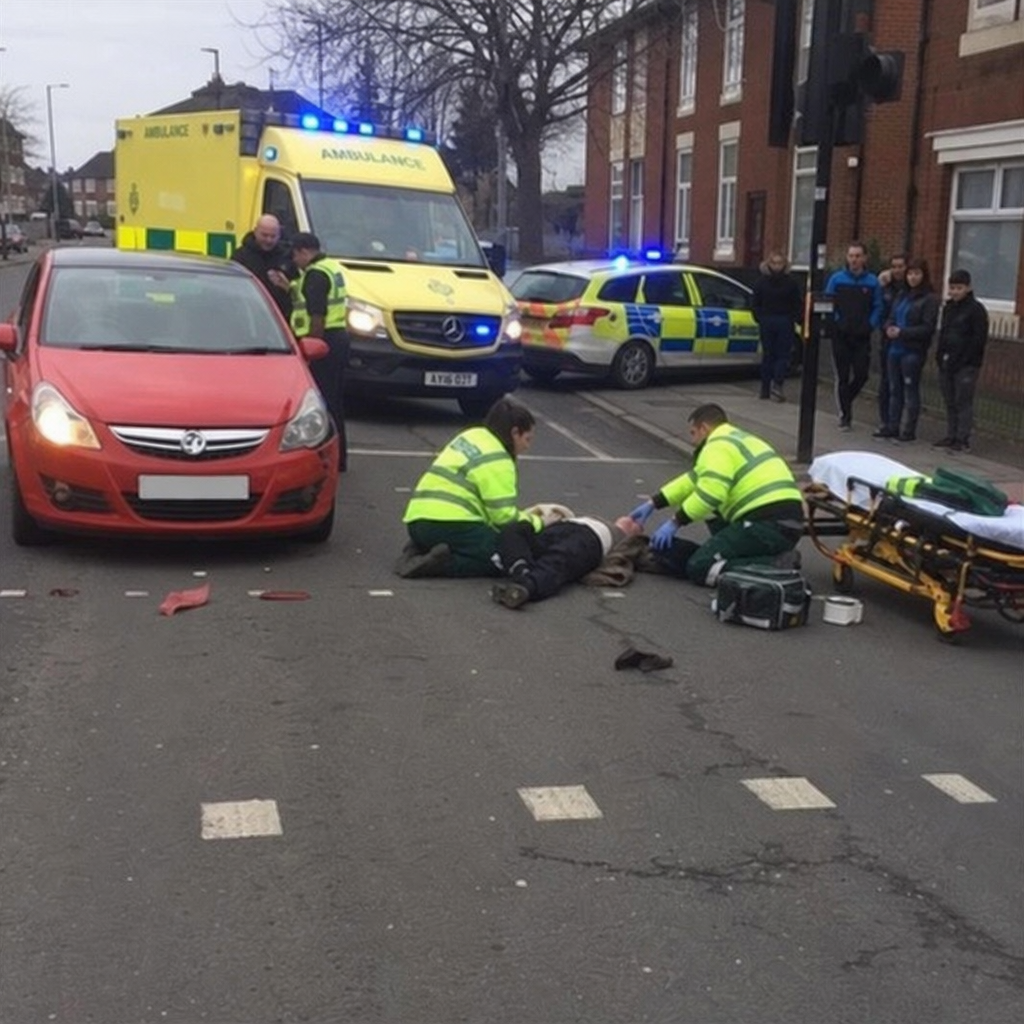
Everett’s SR 99 corridor has become a serious concern for pedestrians, drivers, local officials, and injury victims. The road carries heavy traffic, includes long crossing areas, and has sections where lighting, speed, and limited pedestrian infrastructure can make crashes more dangerous.
A recent crash shows why this issue matters. KIRO 7 reported that a woman was hospitalized with serious injuries after being hit by a car on SR 99 near 180th St. SW in Everett. The report said Everett police and fire responded to the pedestrian crash around 2 p.m., and that it was unclear what led up to the collision. (kiro7.com)
For injured pedestrians, the aftermath can be overwhelming. Medical bills, missed work, insurance calls, pain, and uncertainty can all come at once. Legal options may exist for people injured because of driver negligence, unsafe road behavior, or other preventable causes.
Strong Law Accident & Injury Attorneys helps injured people understand their rights after serious pedestrian crashes. If you were hit while walking in Everett, our Everett pedestrian accident lawyer page explains how these claims are handled. For broader injury help after any serious accident, see our Everett personal injury lawyers page.
Understanding Everett’s SR 99 Pedestrian Accident Problem
Everett’s SR 99 corridor can be difficult for pedestrians because it combines busy traffic, commercial areas, bus stops, driveways, intersections, and long crossing points. When drivers are speeding, distracted, turning, or failing to yield, a person walking has little protection.
Several factors can contribute to the risk, including high traffic volume, poor lighting, limited crossing options, distracted driving, and weather conditions. None of those factors prove fault in any one crash. But they do show why pedestrian accident cases often need careful review of the scene, lighting, traffic flow, driver behavior, and available evidence.
The lack of safe or convenient crossing options can also create risk. When crossings are far apart or poorly marked, pedestrians may make difficult choices about where and when to cross. That does not mean the pedestrian is automatically at fault. It means the full circumstances matter.
Addressing these issues requires more than one solution. Local authorities, drivers, pedestrians, businesses, and community groups all play a role in making SR 99 safer.

Key Pedestrian Injury Concerns on SR 99
Pedestrian crashes are especially dangerous because the person walking has no seat belt, airbag, helmet, or vehicle frame to absorb the impact. Even a lower-speed crash can cause serious injuries.
HeraldNet reported that crashes involving pedestrians and motor vehicles make up about 3% of all crashes in Everett, but account for 31% of all injury and fatal crashes. The same report noted that pedestrian fatalities have remained a serious concern in Snohomish County and that factors such as speed, vehicle size, time of day, and lack of pedestrian infrastructure can increase the risk. (heraldnet.com)
That makes pedestrian crashes different from many other traffic accidents. They may happen less often than standard vehicle collisions, but they are much more likely to cause serious harm.
Important injury concerns include severe trauma, delayed symptoms, long recovery times, financial pressure, and insurance disputes. A person may feel pain right away, but some injuries, including concussions, internal injuries, and soft tissue damage, can become more obvious in the days after the crash.
If a pedestrian crash causes a head injury, the claim may also involve an Everett brain injury lawyer. If the injuries are permanent or life-changing, it may also involve an Everett catastrophic injury lawyer.
Common Causes of Everett Pedestrian Accidents
Many factors contribute to pedestrian accidents on Everett’s SR 99 and nearby roads. Some involve driver behavior. Others involve visibility, road design, weather, or the location where the pedestrian tried to cross.
Common causes may include:
- Failure to yield to pedestrians in crosswalks or at intersections
- Speeding or driving too fast for the conditions
- Distracted driving, including phone use or navigation distractions
- Poor visibility from darkness, rain, fog, or glare
- Unsafe turns near crosswalks, driveways, or intersections
Impaired driving, fatigue, and limited pedestrian infrastructure can also contribute to serious crashes. The cause of a crash is not always obvious at first. A police report is important, but it may not include every detail.
Photos, witness statements, surveillance footage, traffic camera footage, and medical records can all help explain what happened.
Typical Injuries in Everett SR 99 Pedestrian Accidents
Pedestrian accidents often result in serious injuries. These injuries can affect a person’s work, mobility, independence, and quality of life.
Common injuries include:
- Head injuries, including concussions and traumatic brain injuries
- Broken bones, especially legs, ankles, hips, arms, wrists, and ribs
- Spinal injuries, including herniated discs, nerve damage, or spinal cord trauma
- Internal injuries, including bleeding or organ damage
- Cuts, scarring, soft tissue injuries, and emotional trauma
These injuries can require emergency care, imaging, surgery, physical therapy, medication, and long-term follow-up. Keeping clear medical records is important because insurance companies often question whether injuries are related to the crash or whether treatment was necessary.

What to Do After a Pedestrian Accident on SR 99
Immediately after an accident, prioritize safety and medical care. If you can move safely, get out of traffic. If you are seriously hurt, wait for emergency responders.
Take these steps if possible:
- Call 911 and request medical help.
- Get checked by a doctor, even if pain seems minor at first.
- Collect the driver’s name, insurance information, license plate, and contact details if possible.
- Get witness names and contact information.
- Take photos of the scene, vehicle, crosswalk, signals, lighting, road conditions, and injuries.
- Keep medical records, bills, damaged items, clothing, shoes, and insurance letters.
Do not accept a quick settlement before you understand the full injury impact. Early legal advice can be especially helpful when the crash involves serious injuries, disputed fault, missing camera footage, or pressure from an insurance adjuster.
What Evidence Matters After an Everett Pedestrian Crash?
Evidence can disappear quickly after a pedestrian accident. Vehicles are repaired. Surveillance video may be overwritten. Witnesses become harder to locate. Road conditions may change.
Important evidence may include the police collision report, 911 records, witness statements, photos of the scene, photos of vehicle damage, medical records, and insurance communications. Nearby business surveillance footage, dashcam video, traffic signal information, weather conditions, and lighting conditions may also matter.
WSDOT provides public crash data resources based on Police Traffic Collision Reports, which can help show broader crash patterns. But an individual injury claim still depends on case-specific evidence. (wsdot.wa.gov)
If you were seriously injured in an Everett pedestrian crash, it may help to speak with a lawyer before video footage, witness information, vehicle damage, or insurance records become harder to obtain.
Legal Rights and Options for Injury Victims
Victims of pedestrian accidents on SR 99 may have legal rights if another person or business caused the crash through negligence. Compensation may be available for medical expenses, lost income, pain and suffering, future care, and other losses.
A pedestrian injury claim may involve a personal injury claim against the driver, an insurance claim with the driver’s insurer, an uninsured or underinsured motorist issue, or a lawsuit if the insurance company refuses to make a fair offer. Some cases may also involve a commercial vehicle, rideshare driver, delivery driver, or government-related issue.
Washington law also matters. Under Washington’s crosswalk statute, drivers must stop and remain stopped for pedestrians, bicycles, or personal delivery devices crossing within marked or unmarked crosswalks when the person is within the protected part of the roadway. The statute also says pedestrians should not suddenly leave a curb or place of safety and move into the path of a vehicle that is too close to stop. (app.leg.wa.gov)
Washington law also requires drivers to use due care to avoid colliding with pedestrians. (app.leg.wa.gov)
That means pedestrian cases are often fact-specific. The right-of-way matters. So does driver attention, speed, visibility, lighting, crosswalk location, and what each person was doing before the crash.
What if the Insurance Company Blames the Pedestrian?
Insurance companies may try to reduce a pedestrian injury claim by arguing the pedestrian was partly responsible. They may say the pedestrian crossed outside a crosswalk, entered the road suddenly, wore dark clothing, was distracted, or failed to look for traffic.
These arguments do not automatically defeat a claim. Washington follows a comparative fault rule. Under RCW 4.22.005, fault assigned to an injured person can reduce compensation, but it does not automatically bar recovery. (app.leg.wa.gov)
For example, if an insurance company says the pedestrian was partly at fault, the evidence still matters. The claim may depend on vehicle speed, driver distraction, lighting, crosswalk access, witness accounts, and whether the driver used reasonable care.
People injured outside Everett can also review Strong Law’s Washington pedestrian accident lawyer page for statewide guidance.
Navigating Insurance and Compensation Claims
Dealing with insurance after a pedestrian accident can be stressful. The insurance adjuster may sound helpful, but their job is usually to protect the insurance company’s money.
Be careful with recorded statements, early settlement offers, broad medical record authorizations, and any statement that minimizes pain or guesses about fault. A short comment like “I’m okay” can be used later to argue that the injury was not serious.
A strong claim usually includes clear documentation. Keep copies of medical bills, treatment records, missed work notes, prescriptions, mileage to appointments, photos, and every letter or email from the insurance company.
Compensation may include emergency care, hospital bills, surgery, physical therapy, future medical care, lost wages, reduced earning ability, pain and suffering, emotional distress, disability, scarring, and loss of enjoyment of life.
If a pedestrian crash results in death, the case may become a wrongful death claim. Families can learn more from Strong Law’s Everett wrongful death lawyer page.
How Long Do You Have to File a Pedestrian Accident Claim in Washington?
Washington generally gives many injury victims three years to file certain personal injury claims. RCW 4.16.080 says covered actions must be started within three years, including actions for injury to the person or rights of another. (app.leg.wa.gov)
That does not mean it is safe to wait. Some claims may have shorter deadlines or special notice rules, especially if a government entity may be involved. Evidence can also disappear long before the deadline.
After a pedestrian crash, it is better to preserve evidence early.
Safety Initiatives and Community Efforts in Everett
Everett is working to reduce serious and fatal crashes through Vision Zero Everett. The city says Vision Zero Everett is focused on eliminating traffic deaths and serious injuries, using crash data and community input to guide safety planning. (everettwa.gov)
Efforts like these can include reviewing high-risk locations, improving lighting, addressing crossing problems, and considering traffic-calming or speed-management strategies.
For injury victims, these safety efforts do not replace a legal claim. But they do show that pedestrian safety on Everett roads is a real concern and that crash locations, road design, lighting, and driver behavior deserve careful review.
How to Prevent Pedestrian Accidents on SR 99
Preventing pedestrian accidents requires both safer driving and safer walking conditions.
Drivers can help by following speed limits, watching carefully near crosswalks and bus stops, staying off phones, yielding when required, slowing down in rain or darkness, and watching for people crossing near intersections and businesses.
Pedestrians can help by using marked crossings when available, avoiding distractions, wearing visible clothing at night, making sure vehicles have time to stop, and staying alert near turning vehicles.
Even careful pedestrians can still be hurt by negligent drivers. Safety steps reduce risk, but they do not remove a driver’s responsibility to use care.
Resources and Support for Victims and Families
After an Everett pedestrian accident, victims and families may need several kinds of support. Medical care may include emergency treatment, orthopedic care, neurology, physical therapy, or rehabilitation. Legal help may be needed to deal with fault, insurance, evidence, and compensation. Emotional support may also help with the trauma of being hit by a vehicle.
A serious pedestrian crash can affect far more than the day of the accident. Recovery may take weeks, months, or longer.
Everett Pedestrian Accident FAQs
What should I do if I was hit by a car on SR 99 in Everett?
Call 911, get medical care, report the crash, take photos if possible, and get witness information. Keep medical records, bills, and insurance letters. If your injuries are serious, speak with a lawyer before giving a recorded statement or accepting a settlement.
What if the driver says I crossed outside the crosswalk?
That does not automatically end your claim. Pedestrian accident cases depend on the full facts, including where you were crossing, driver speed, visibility, lighting, traffic conditions, and whether the driver used reasonable care.
Can I still recover compensation if I was partly at fault?
Possibly. Washington’s comparative fault rule can reduce compensation based on the percentage of fault assigned to the injured person, but partial fault does not automatically prevent recovery.
What evidence helps prove fault in a pedestrian accident?
Helpful evidence may include the police report, photos, witness statements, surveillance video, dashcam footage, vehicle damage, lighting conditions, traffic signal information, and medical records.
Should I talk to the insurance company after an Everett pedestrian accident?
You may need to report the claim, but be careful with detailed statements. Insurance adjusters may ask questions that shift blame or minimize injuries. It is smart to understand your rights before giving a recorded statement or signing anything.
Conclusion: Moving Toward Safer Streets in Everett
The pedestrian crash problem on Everett’s SR 99 deserves serious attention. Heavy traffic, speed, poor visibility, limited crossings, and driver distraction can create dangerous conditions for people walking.
For victims, the most important steps are to get medical care, preserve evidence, understand Washington fault rules, and avoid being pressured into a quick insurance settlement.
Strong Law Accident & Injury Attorneys helps injured pedestrians and families in Everett and Snohomish County understand their options after serious crashes. If you or someone you love was hit by a vehicle while walking in Everett, contact Strong Law for a free consultation. There are no upfront attorney fees, and you do not pay attorney fees unless we recover compensation for you.

See If Your Injury Claim May Qualify
Answer a few quick questions to help Strong Law understand what happened and whether your claim may qualify for a free review.
