

How Do Motorcycle Helmet Laws Impact Your Accident Compensation in Washington State?

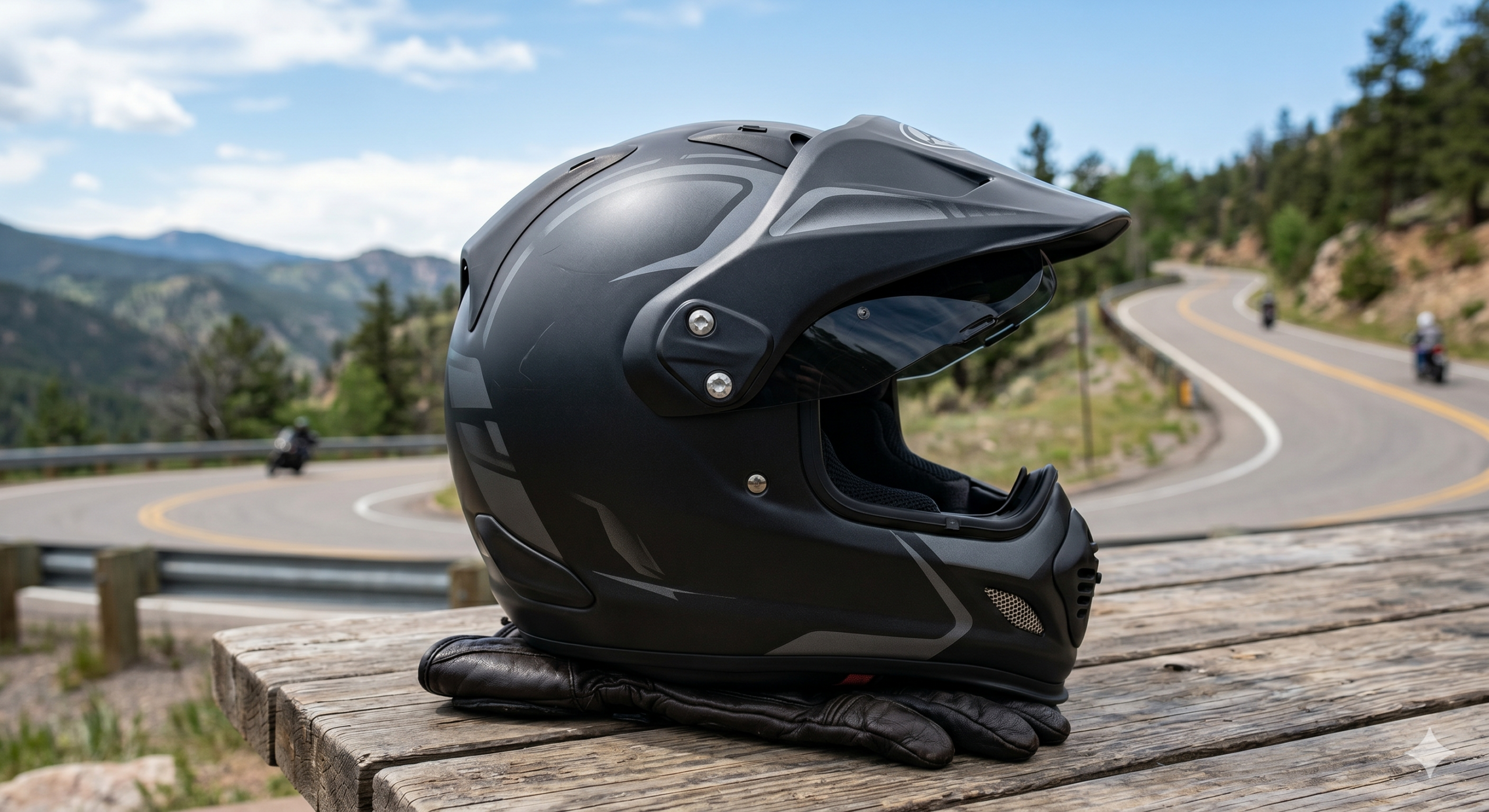
Washington state requires all riders to wear a DOT-approved motorcycle helmet. However, lacking one does not automatically disqualify a motorcycle injury claim. Under Washington’s legal framework, your right to seek compensation remains intact, particularly for injuries unrelated to head trauma.
Helmet Laws vs. Accident Liability
Traffic laws distinguish between the cause of the accident and the cause of the injury. If a driver fails to yield or runs a red light, they are responsible for the collision regardless of whether the rider was wearing a helmet.
In Washington state, the legal focus remains on the at-fault driver’s negligence. While a helmet violation may result in a citation, it does not excuse a distracted or reckless motorist from liability for the crash itself.
Comparative Negligence in Washington State
Washington operates under a “pure comparative negligence” system (RCW 4.22.005). This means that a financial award is reduced by the plaintiff’s percentage of fault.
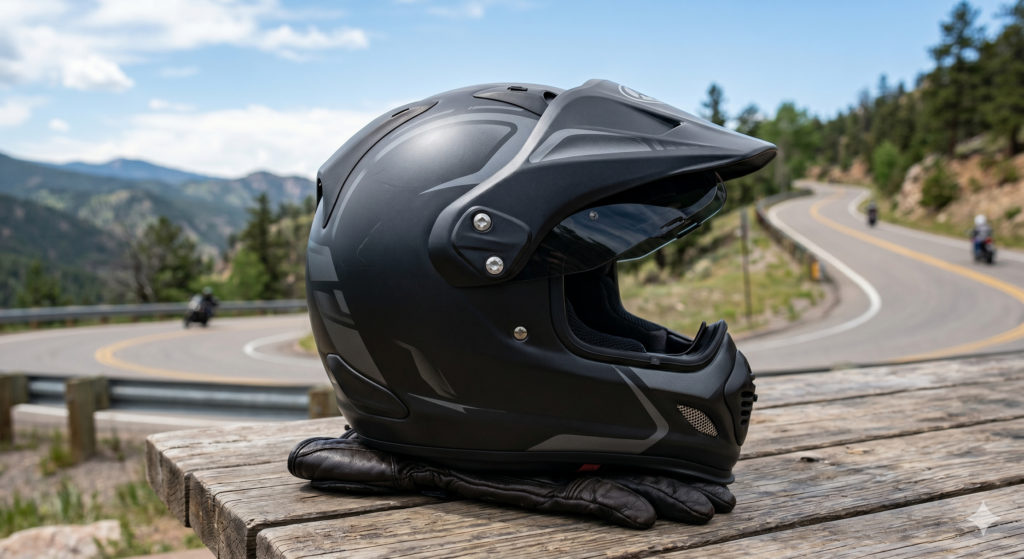
If a rider sustains a head injury while not wearing a helmet, an insurance company may argue that the rider contributed to the severity of that specific injury. However:
- Unrelated Injuries: Compensation for broken bones, road rash, or spinal injuries, which a helmet would not have prevented, should not be reduced based on helmet non-use.
- Partial Recovery: Even if a rider is found partially at fault for the extent of a head injury, they can still recover the remaining percentage of damages from the at-fault party.
Insurance Tactics and Settlement Value
Insurance adjusters often use helmet law violations as leverage to lower settlement offers. They may argue that the “invisible” nature of head trauma makes it difficult to separate the impact of the crash from the lack of protective gear.
To counter this, a motorcycle accident lawyer could utilize:
- Medical Biomechanics: Experts who can prove which injuries were caused by the impact force rather than a lack of headgear.
- Evidence Preservation: Documenting the scene and vehicle data to keep the focus on the driver’s initial error.
Key Deadlines and Requirements
| Legal Factor | Washington Requirement |
| Statute of Limitations | Generally, 3 years from the date of the accident (RCW 4.16.080). |
| Helmet Standard | Must meet DOT (FMVSS 218) specifications. |
| Negligence Standard | Pure Comparative Fault (Recovery is possible even if partially at fault). |
Action Plan for Injured Riders
- Document Medical Treatment: Ensure all injuries, from head to toe, are recorded by a professional immediately after the crash.
- Limit Insurance Statements: Avoid giving recorded statements regarding helmet use until you have consulted with a legal professional.
- Preserve Gear: Keep the helmet (if worn) and all protective clothing as physical evidence of the impact dynamics.
About Strong Law Accident & Injury Attorneys
Strong Law represents riders throughout Washington, with a focus on high-stakes motorcycle litigation. We operate on a contingency fee basis; you pay nothing unless we recover compensation for you.
Contact our Washington personal injury lawyers today for a free case evaluation.
Legal Disclaimer: This information is for educational purposes and does not constitute legal advice. Results are not guaranteed. Every case is subject to specific facts and timelines; consult a licensed Washington attorney regarding your claim.

See If Your Injury Claim May Qualify
Answer a few quick questions to help Strong Law understand what happened and whether your claim may qualify for a free review.
