

FMCSA Regulations and Their Role in Truck Accident Claims in Washington State

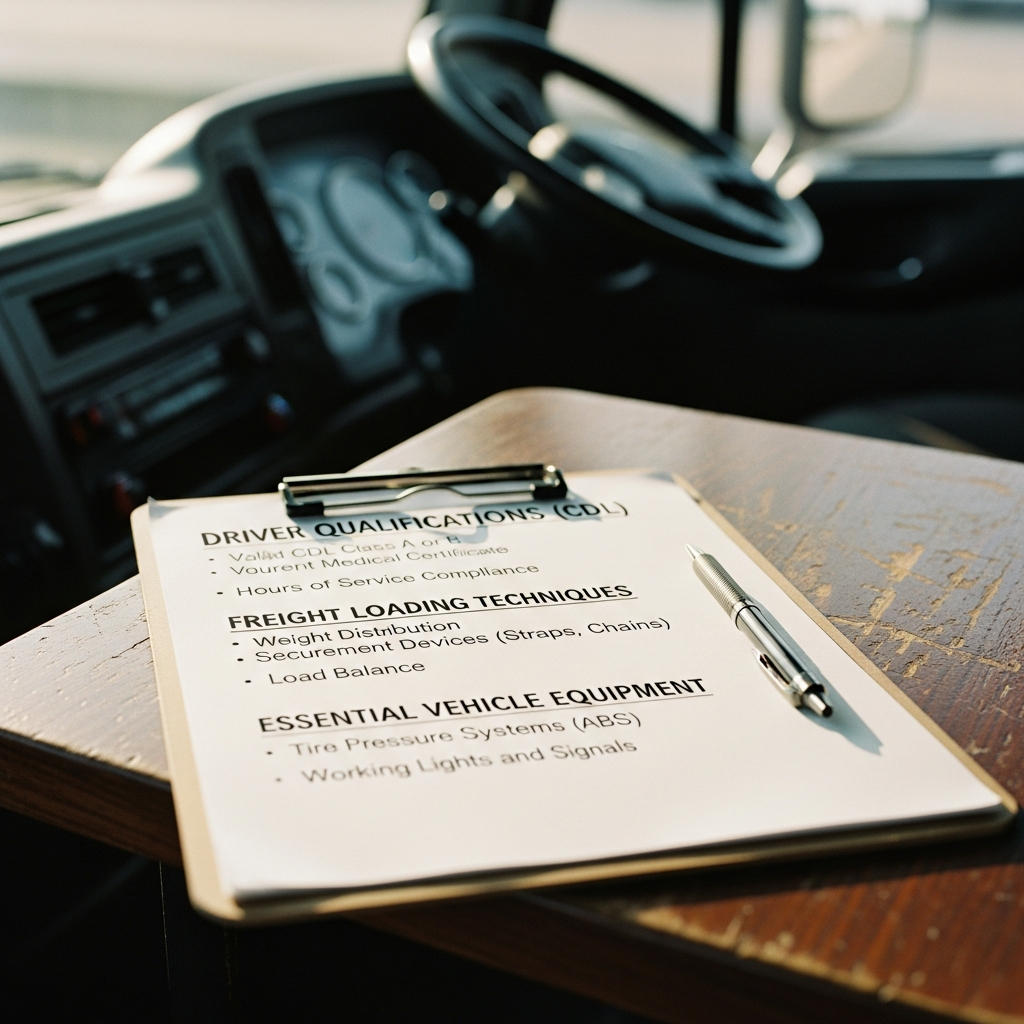
The Federal Motor Carrier Safety Administration (FMCSA) establishes strict safety rules that commercial trucking companies must follow to protect everyone on our roads. When a trucking entity ignores these regulations, such as by allowing a driver to operate while exhausted or skipping essential vehicle maintenance, they may be held legally responsible for the resulting harm.
Identifying these federal violations is often a key component in proving negligence and seeking the compensation necessary to support your recovery. Partnering with a dedicated Washington truck accident lawyer can help ensure that the complex regulatory investigation is handled thoroughly, allowing you to focus on your physical and emotional healing.
A Support System for Our Neighbors: Navigating Truck Accidents in Washington
When a commercial truck collides with a passenger vehicle along the busy I-5 corridor or on the freight routes stretching through the Puget Sound, the impact is felt throughout the community. We understand that for families in Washington, a truck accident brings an unexpected wave of medical bills and time away from work.
At Strong Law Accident & Injury Attorneys, we stand beside you as partners in this journey. Whether an incident occurred during a commute through the Seattle metro area or on a route near Spokane, you have the right to seek protection under the law. When trucking corporations prioritize deadlines over the safety of Washington residents, we work to hold them accountable.
What the FMCSA Regulates in the Trucking Industry
The FMCSA is a federal agency within the Department of Transportation (DOT) tasked with reducing crashes and fatalities involving large trucks and buses. They oversee almost every operational aspect of commercial trucking to create a baseline of safety.
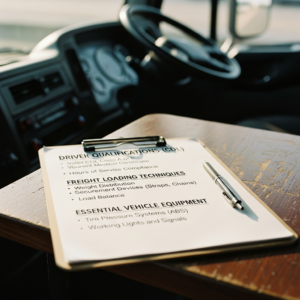
Key areas of FMCSA oversight include:
- Driver Qualifications: Ensuring operators hold a valid Commercial Driver’s License (CDL) and pass required medical fitness exams.
- Operational Rules: Establishing guidelines for how heavy freight must be loaded and secured to help prevent rollovers or spills.
- Equipment Standards: Requiring essential safety technology, such as reflective taping, lighting, and advanced braking systems.
Key Trucking Law Terms
| Legal Term | Practical Definition for Your Case |
| FMCSA | The primary federal government body regulating commercial trucks and safety. |
| Duty of Care | The legal responsibility of truck drivers to operate their vehicles in a reasonably safe manner. |
| Negligence Per Se | A legal concept where a party may be presumed negligent if they violated a safety statute. |
| Black Box (ECM) | An internal computer that records vital data, such as speed and braking, leading up to a crash. |
Hours of Service Violations and Driver Fatigue
Driver fatigue is a significant and often preventable factor in severe collisions on Washington highways. To help keep exhausted drivers off the road, the FMCSA enforces strict “Hours of Service” (HOS) rules.
Generally, federal HOS regulations limit drivers to a maximum of 11 hours of driving time, which must be preceded by at least 10 consecutive hours off duty. When a driver is pushed beyond these limits to meet corporate deadlines, their reaction time can be significantly impaired. Investigating whether a driver violated these rest requirements is often a critical part of a truck accident claim.
Driver Logbooks and Electronic Logging Devices (ELDs)
Modern technology plays a vital role in ensuring these safety rules are followed. Most commercial trucks are now required to use Electronic Logging Devices (ELDs). These are secure digital monitors wired into the truck’s engine that automatically record when a vehicle is in motion.
In the aftermath of a collision, this digital footprint is often among the first pieces of evidence an attorney will seek to secure. If you are concerned about the role of driver fatigue in your accident, a consultation can help you explore how this data might strengthen your claim.
Vehicle Inspection and Maintenance Requirements
An 80,000-pound commercial truck requires meticulous upkeep. If a company delays brake replacements or ignores worn tires, the results can be catastrophic. FMCSA Regulation 396 mandates that carriers systematically inspect, repair, and maintain all vehicles.
Mandatory safety inspections typically include:
- Pre-Trip Inspections: Drivers must check tires, brakes, steering, and lights before starting their route.
- Annual Inspections: Comprehensive mechanical check-ups performed by certified mechanics.
- Post-Trip Reports: Drivers must submit written reports on any mechanical issues noticed during their shift.
Using FMCSA Violations to Support Your Claim
Establishing fault can be more straightforward when a clear violation of federal law is present. Under the legal doctrine of “Negligence Per Se“, if a commercial trucking company violates an FMCSA safety regulation and that violation causes an accident, they may be presumed legally at fault. This allows the legal focus to shift toward the specific impact the accident has had on your life and your future needs.
Frequently Asked Questions
Can the trucking company be held responsible if the driver was tired?
Potentially, yes. If a driver exceeded HOS limits, the company may be held liable under theories of negligent supervision or vicarious liability.
How do I know what my claim is worth?
The value of a claim is highly individualized. It typically considers documented medical expenses, lost income, and the overall impact of the injury on your quality of life.
About Strong Law Accident & Injury Attorneys
Strong Law Accident & Injury Attorneys is dedicated to supporting accident victims across Washington State. We provide local advocacy and represent clients throughout the state, including Tacoma and Everett.
Schedule Your Free Consultation with Strong Law Today.
Legal Disclaimer: The information provided in this blog post is for educational purposes only and does not constitute formal legal advice or an attorney-client relationship. Results are not guaranteed. Statutes of limitations and federal regulations are subject to change; please consult a licensed Washington attorney regarding your specific situation.

See If Your Injury Claim May Qualify
Answer a few quick questions to help Strong Law understand what happened and whether your claim may qualify for a free review.
